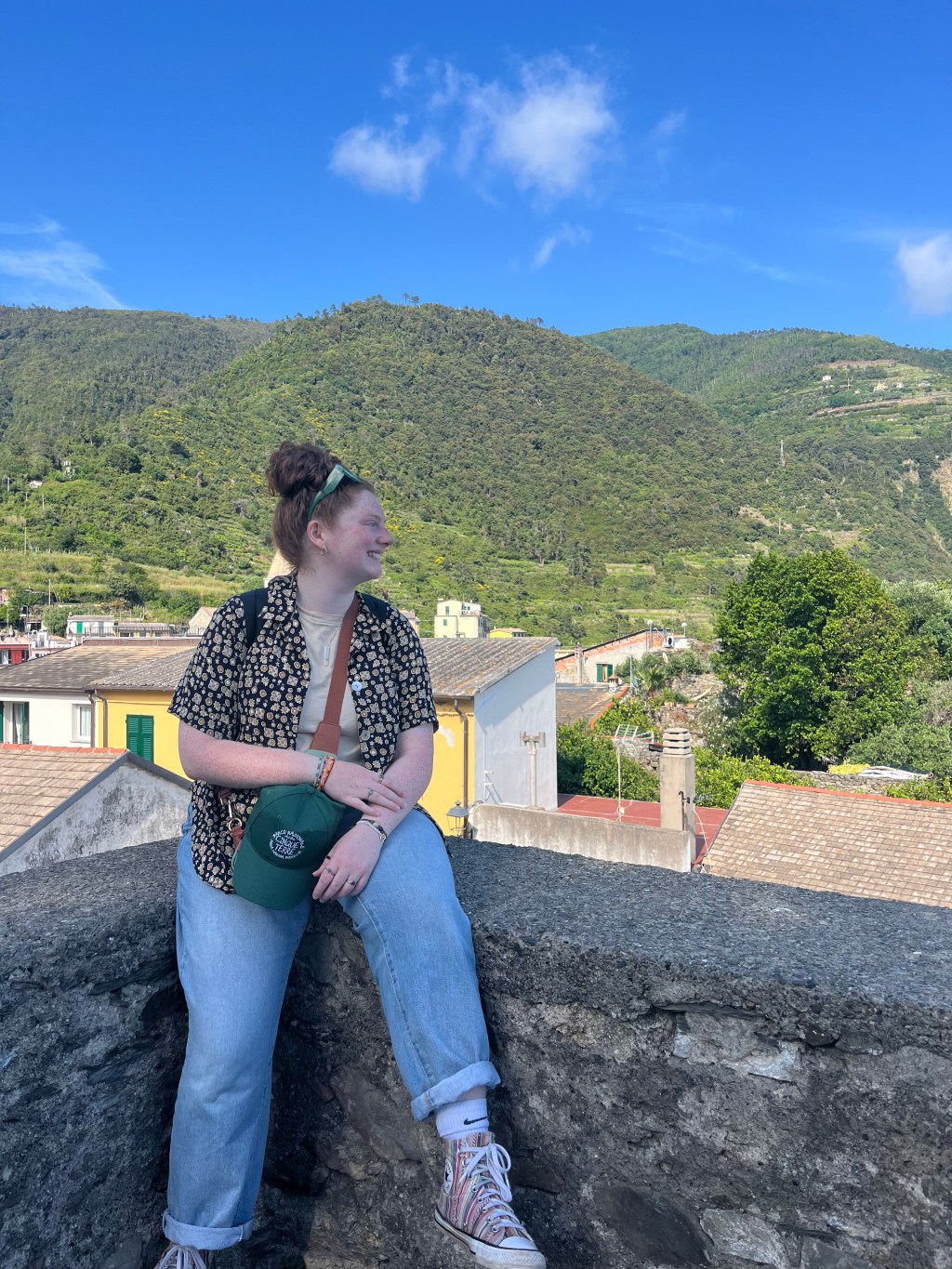
Spending five weeks studying in Italy and engaging in all that the beautiful country has to offer is something many people merely dream about. Reflecting upon my time in Florence this past summer, I can confirm that it all still feels a bit surreal. Since returning from Italy, completing my first co-op rotation, and jumping back into my third year of chemical engineering coursework, I have already noticed the immense impact of the program on my personal, professional, and academic life.
My time in Italy exposed me to new experiences, strengthening my skills of adaptation and communication along the way. I encountered new people and attempted to navigate an entirely foreign country with them. Occasionally we ran into challenges ranging from train cancellations and navigational issues to differences in household tendencies and general preferences. Through each of these, we were able to communicate effectively and reach a compromise among my six roommates and I. These challenges also encouraged real-life application of the teaming skills that are so often emphasized and practiced in my chemical engineering coursework.
In addition to these personal developments, I strengthened my professional and academic skills. Throughout the Engineering Perspectives of the Renaissance and Sustainability program I partook in two courses totaling six credits. The first of these was an art history class which focused on some of the great Renaissance artists and their work. Daily lectures, taught by an extremely knowledgeable professor, were paired with museum visits and citywide walking tours. This integration of art and engineering remains at the forefront of my mind, proving again and again to be beneficial in my approach to complex problem solving. Although engineering can often be a strongly analytical field, my observation of Renaissance developments has helped emphasize the importance of keeping a creative perspective when pursuing innovative solutions.
The second course, centered around engineering and sustainability practices during the Renaissance, was perhaps even more abundant in applicable engineering knowledge. Alongside thirty eight of my peers – hailing from just about every engineering discipline that Swanson has to offer – I was challenged to explore some of the earliest engineering practices and evaluate the sustainability of those developments. Throughout this exploration, it was refreshing to gain a variety of perspectives from my classmates. Our discussions on early medical devices benefitted from the input of bioengineering students, while lectures on Brunelleschi’s dome were strengthened by those with a civil engineering background, and so on. The importance of learning from and collaborating with engineers from a variety of backgrounds is certainly one of the key takeaways that I will carry into my future career.
I have been told countless times throughout my undergraduate career that engineering is a truly global profession, and my time abroad has proven that to be true. I will continue to cherish the connections I made in Florence and am eager to continue applying the skills that I have gained in my future academic and professional endeavors.
 Swanson School of Engineering