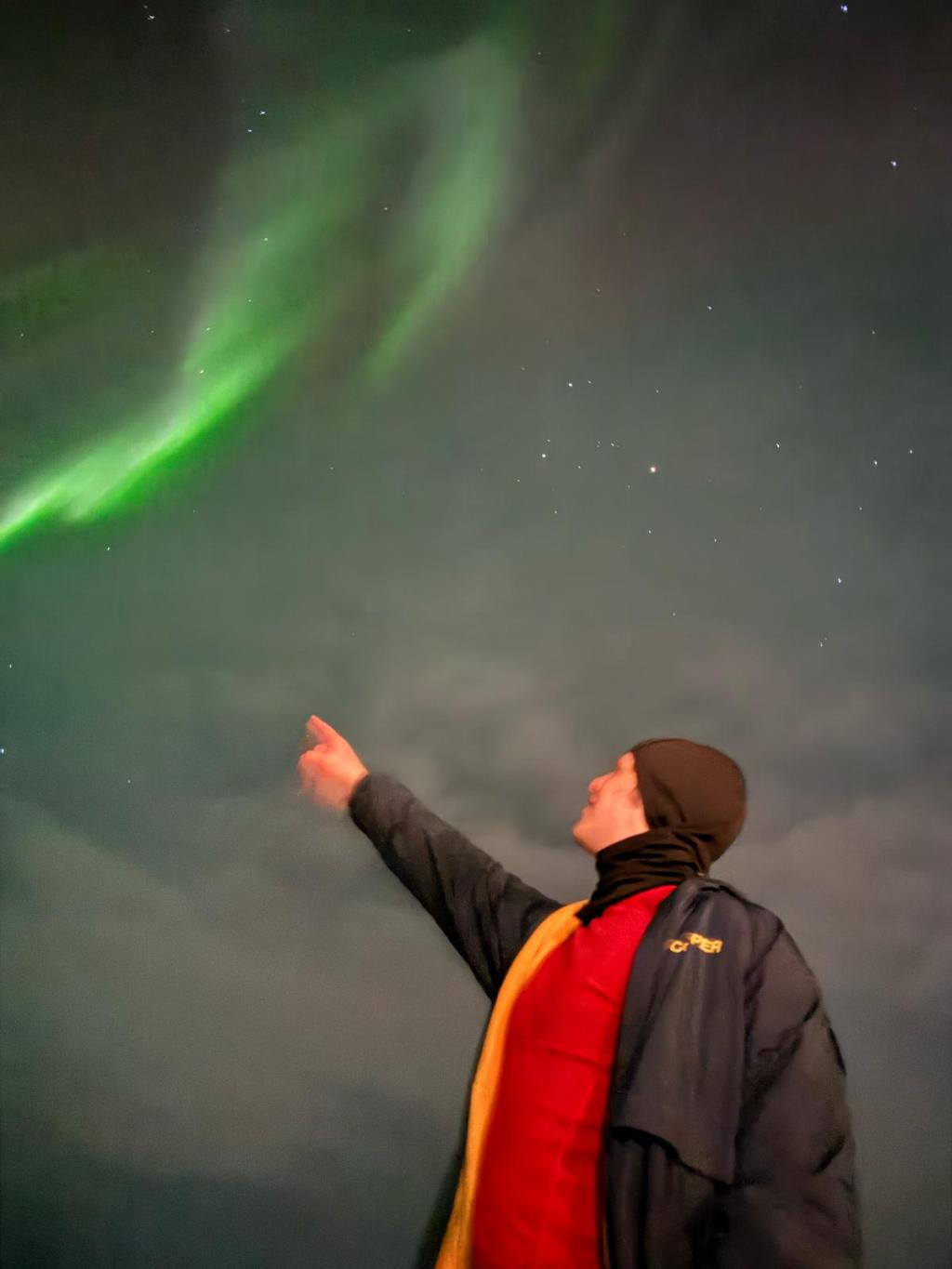
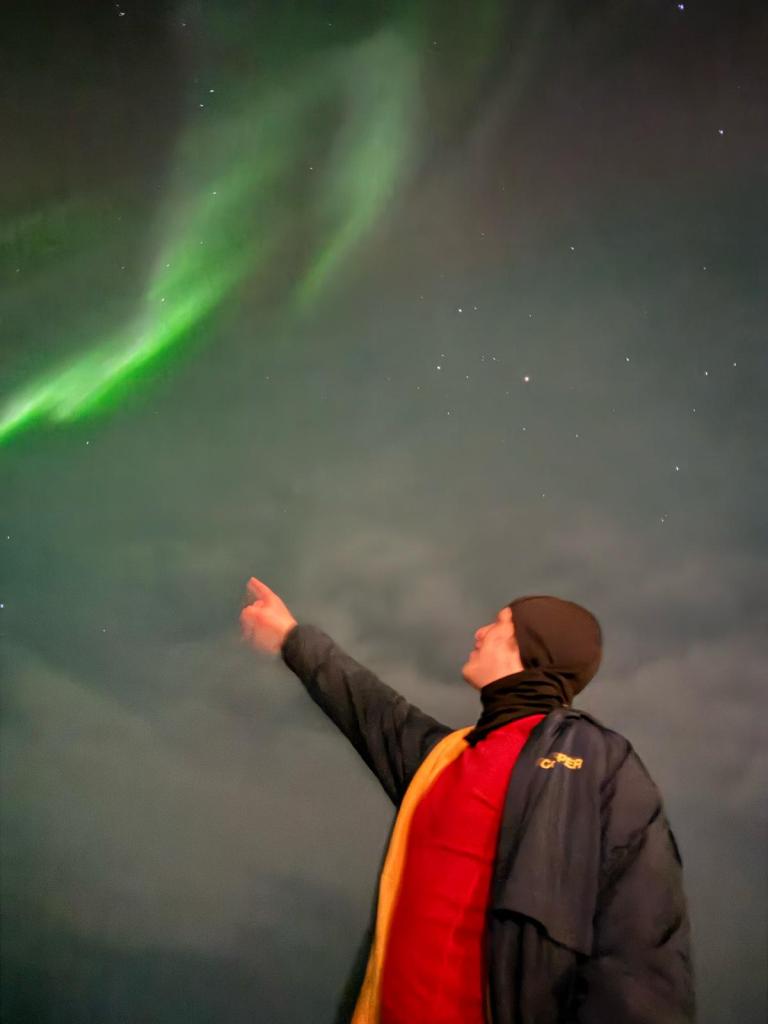
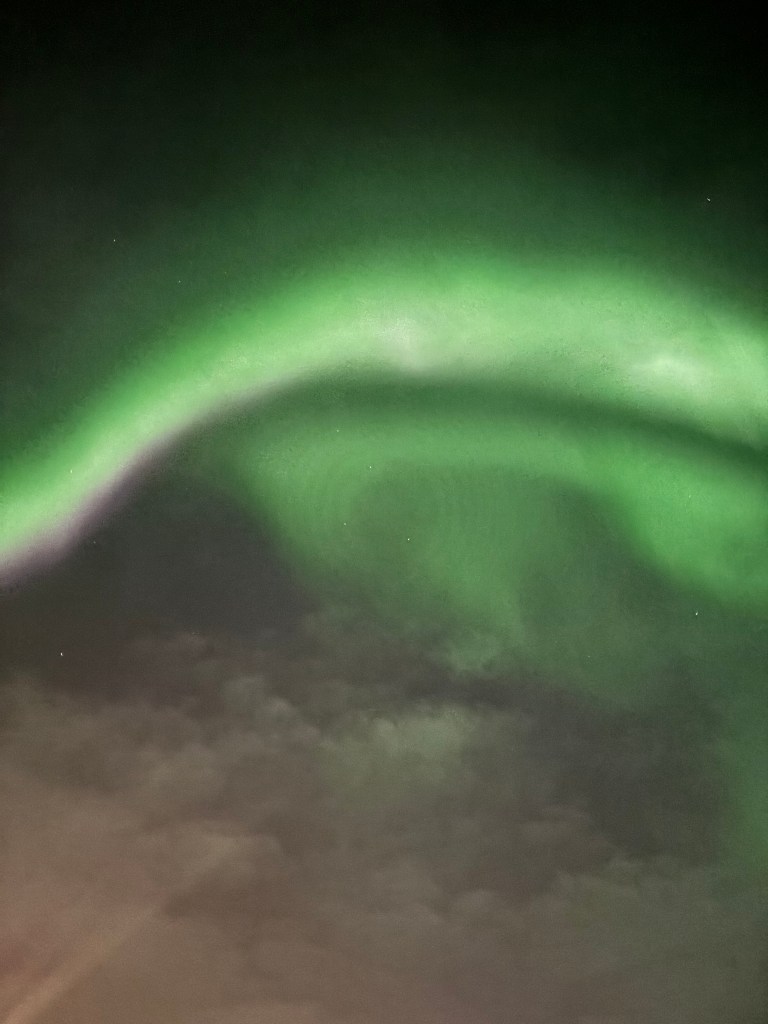
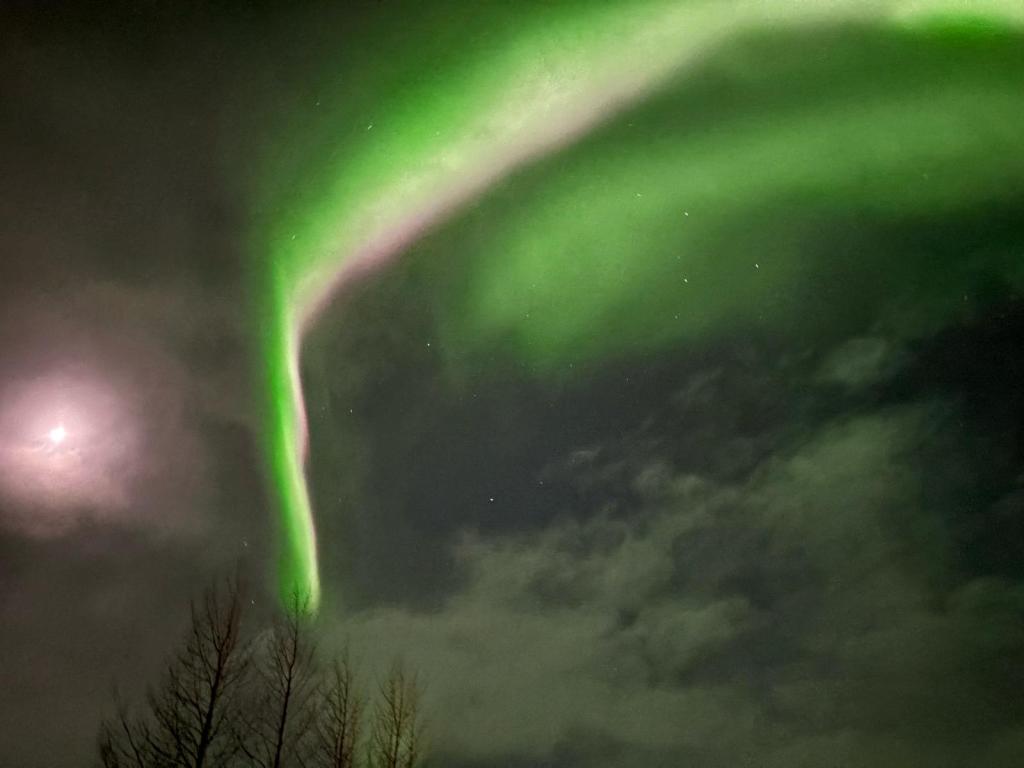
Great Scott we saw the Northern Lights! Aurora Borealis! That has to be a trip highlight. I had my hopes up since signing up for this trip and it finally happened. The first few nights had me worried because it was always cloudy, but tonight we finally had the clouds break, and it couldn’t have happened at a better time. It started out somewhat faintly, but it grew stronger, we even got to see it turn a shade of pink as it began to dance across the sky. Seeing the strands of the lights shift around was cool, but as soon as it began to ripple, that was breathtaking. We were all standing outside for maybe 30 minutes before, because the various apps we have said that it was likely tonight, and that was 100% worth it. I even stayed out for another hour just in case there was going to be more.
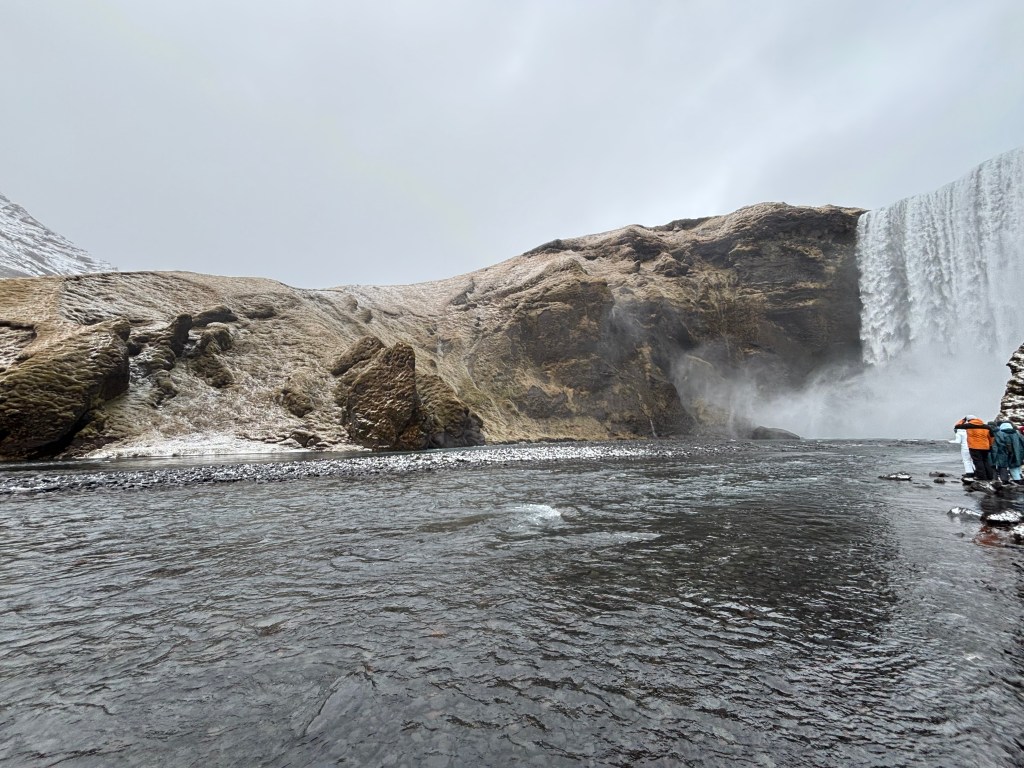
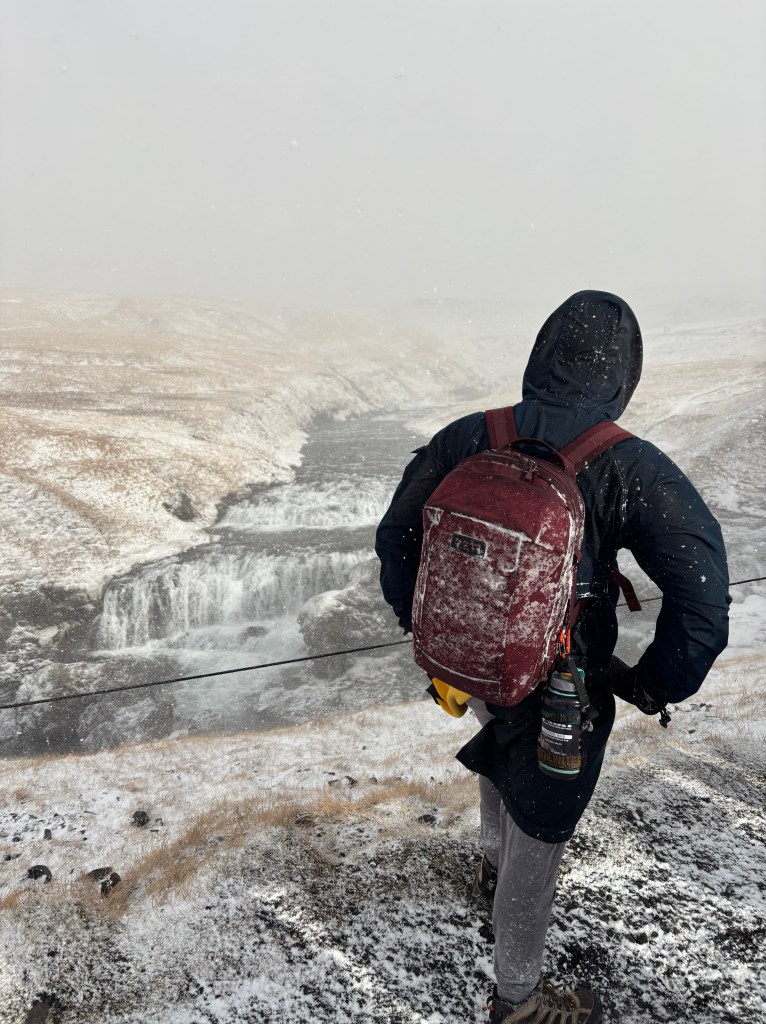
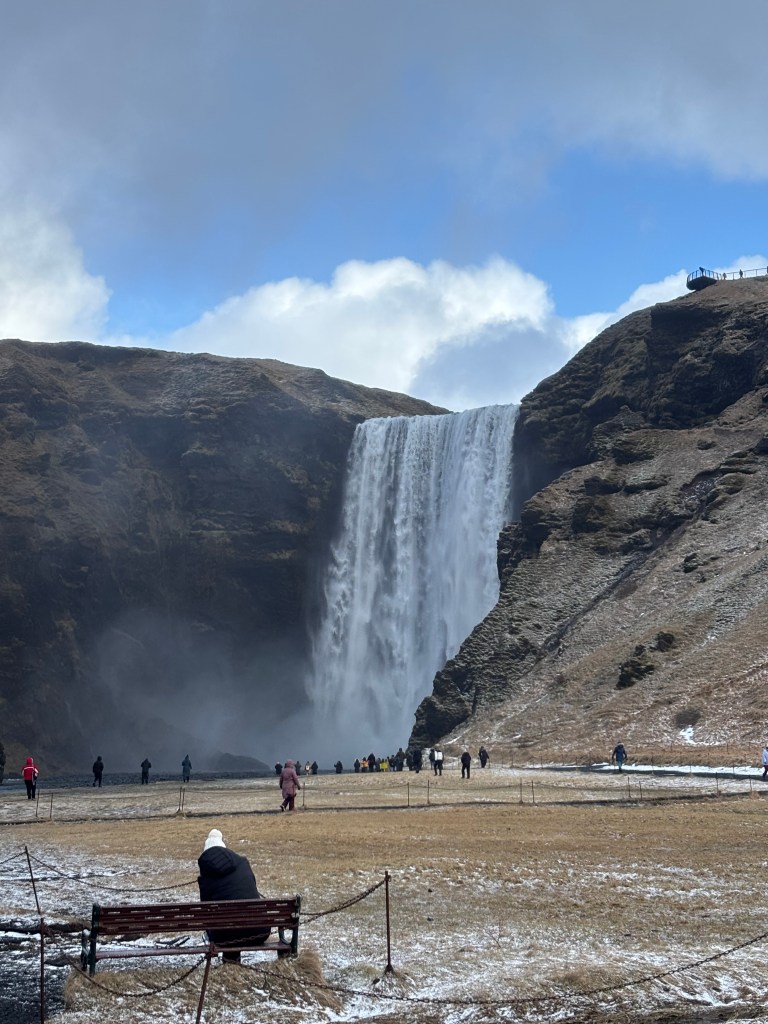
Today was also a pretty great day before that. It’s our fourth day in the country and we actually got to sleep in a bit today, which was a nice break. We first went to the Skogafoss waterfall. Foss means waterfall already thought so I did just say Skoga waterfall waterfall, but we can move past that. This waterfall was so much fun. We probably climbed the equivalent of at least fifteen stories of stairs to get to the top viewing platform. Then there was a path continuing up the river so most of us hiked down that, and up river there were two more smaller waterfalls. As we took this trail, the wind really picked up but luckily it was at our backs so it wasn’t pelting us in the face with snow (yet). The views we are getting here and the experience is just spectacular. Maybe if I was an English major I could find the words to describe it, but I am just so happy to be here and see all of this.
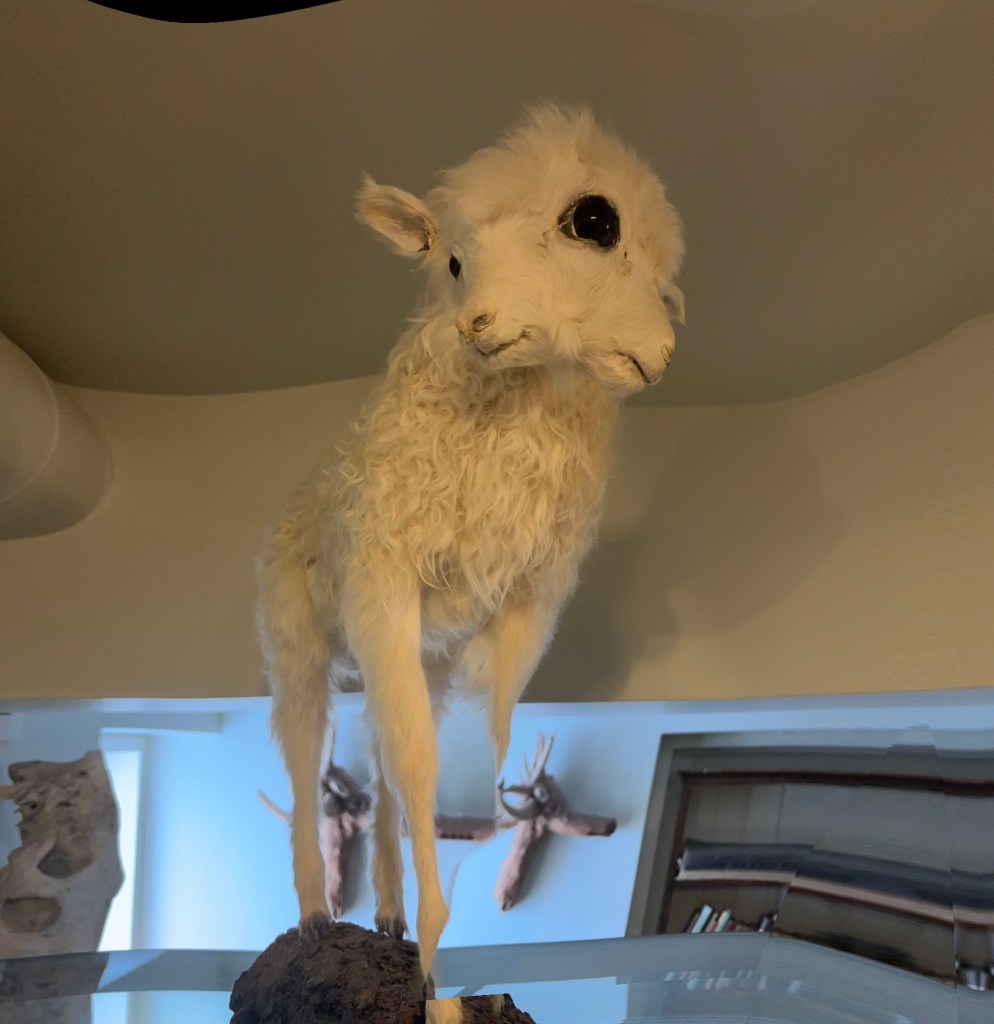
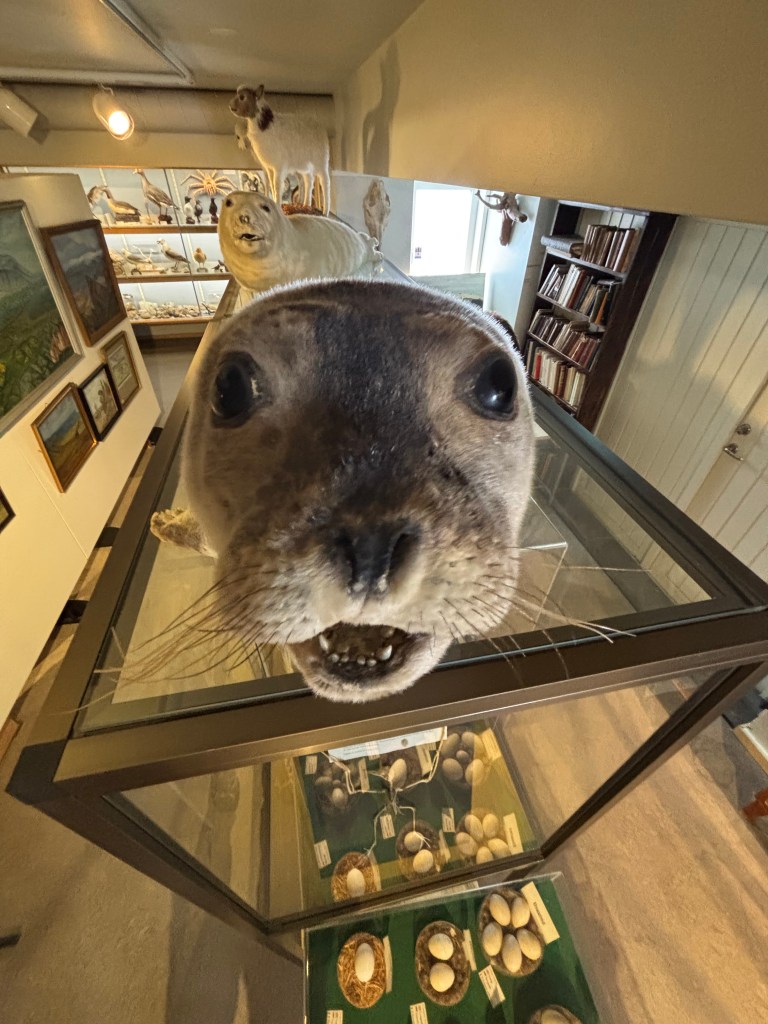
Then we went to the Skogar Museum. Again, super cool thing that I lack the words to properly describe and I have a blog prompt to get to so all I’ll say is I recommend strongly.
Our third stop for today (and the topic of my blog prompt) was the Solheimajökull glacier. This glacier has been here “forever” according to our wonderful tour guide Olóf. The ice we were seeing at the bottom was around 500-600 years old though. From where we parked to where the glacier currently is, there was probably about a mile walk, thought I’m not good at estimating distances so it could have been closer. But the glacier 30 years ago stood at where the parking lot is now and has receded that much in 30 years. It is typical for glaciers to recede and expand, but the climate shift has created an accelerating recession and the glacier is losing some of its density higher up, which is the main issue. As the glacier recedes and melts, it is creating a lake in front of it. That lake is making the glacier break and melt faster. The loss of this glacier would have a lot of issues for the surrounding communities. The glacier would be releasing a lot of water and that could cause flooding. Also, as it recedes, the rocks around are no longer under the pressure of the glacier and this is causing landslides. The earth below is volcanic, like all of Iceland, and without that pressure, there could be more volcanic activity. This is not good. Iceland could try to prevent this by investing some of their energy in direct air carbon capture. This would help reduce the amount of carbon dioxide in the atmosphere and they have readily available clean energy here so it wouldn’t be adding more carbon dioxide into the atmosphere. This would help keep the ice cold and the density to reduce volcanic activity.


 Swanson School of Engineering