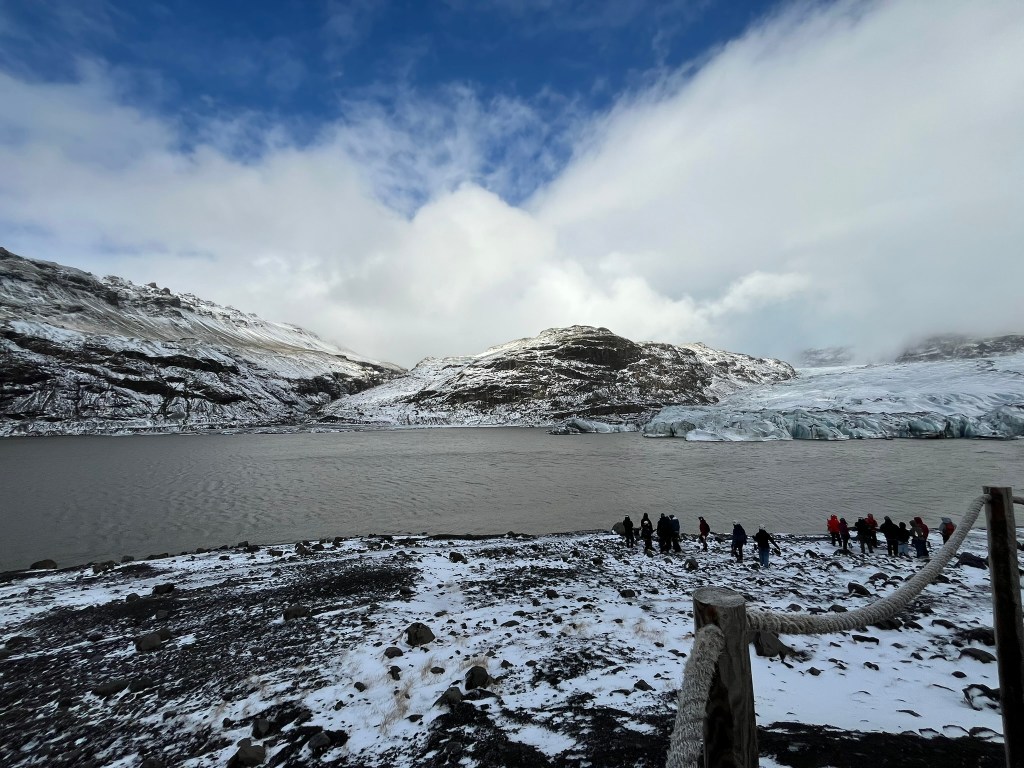
Tourism has greatly increased in Iceland in recent years. This is due, in part, to Iceland making the news in 2010 due to a volcanic eruption. A large ash cloud was dispersed after the volcano Eyjafjallajökull erupted. It affected numerous countries and made international news. Iceland’s presence in the public eye increased and as a result, its beautiful landscapes were also internationally recognized. Tourism to Iceland increased exponentially at this point.
As of 2019, tourism accounted for more than 33% of the country’s GDP. Tourism grew at what is considered an “unsustainable” rate. Overtourism is a growing issue.
Relying on tourism for income entirely is not good for economies. If tourism were to completely cease, many Icelandic citizens would suffer In the case of the COVID-19 pandemic, the economy contracted 7.1% in 2020.
Locals have been pushed out of central Reykjavik. The increase in tourism has increased demand for hotels, but hotels have been unable to supply it. As a result, short term rentals have rapidly met this need and housing prices increased. Locals cannot meet the high prices and are forced out. Additionally, downtown amenities have shifted to cater to tourists rather than residents.
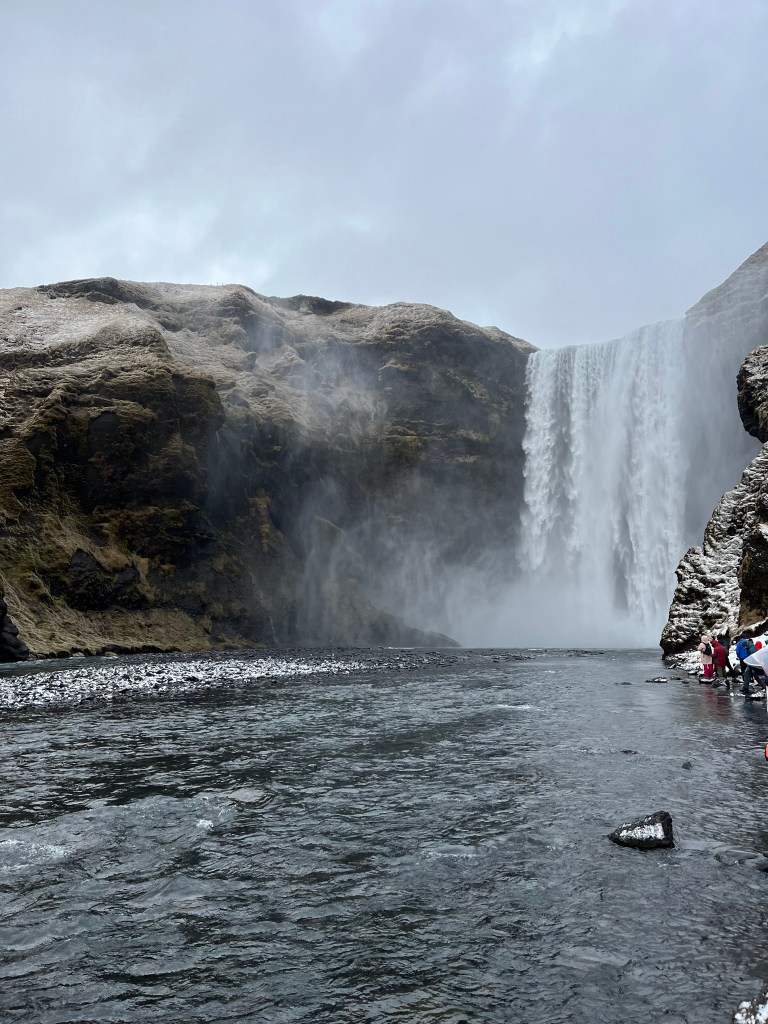
Facilities and major tourism sites are also struggling to cope with increased visitor numbers. Hiking trails are degrading and roads are deteriorating because of the increased use by tourists. Tourists are also damaging ecosystems. An example of this was evident at our visit to Skogafoss waterfall today. The gravel stairs leading up the waterfall were eroded by both the wind and tourists.
Sustainable solutions to this are limiting the percentage of housing in major tourist areas that are allowed to be rented/hotels. Another solution is aiding the economies into not becoming completely reliant on tourism as an economic practice. The number of tourists allowed in Iceland could be limited as well.
We saw the Northern Lights as well tonight!
 Swanson School of Engineering