Iceland includes several distinct regions with unique economic focuses. The parts of Iceland include the Capital Region, southern peninsula, Western Region, Westfjords, Northwestern Region, Northeastern Region, eastern region, and southern region. The largest sectors of the Icelandic economy are aluminum, fishing, and tourism. The aluminum smelting industry is in the southern peninsula and eastern Iceland, particularly outside Reykjavik. Aluminum plants rely on geothermal energy, which makes Iceland a competitive location for this energy-intensive industry. Fishing is a dominant sector in regions like the Southern Region, Southern Peninsula, and Western Region, where coastal cities such as Reykjavik, Keflavik, and those within the Snæfellsnes Peninsula serve as fishing hubs. As an island, an abundance of fish stock makes fishing a crucial industry in the Icelandic economy. Tourism, driven by the unique geologic landscapes in Iceland, is vital to nearly all regions. But, it is particularly popular in the Southern Peninsula, home to sites like Thingvellir National Park and areas with geysers, glaciers, and volcanoes. These geological features have made Iceland a top travel destination, drawing millions of visitors annually.
The southern region of Iceland remains largely un-industrialized despite its geological significance. The area has some notable natural features, such as active volcanoes, geysers, glaciers, and rift valleys. While these features contribute to the global appeal as a tourist destination, they also limit large-scale industrial development. The potential for industrialization in the region is more costly due to the environmental and preservation concerns surrounding these geological wonders.
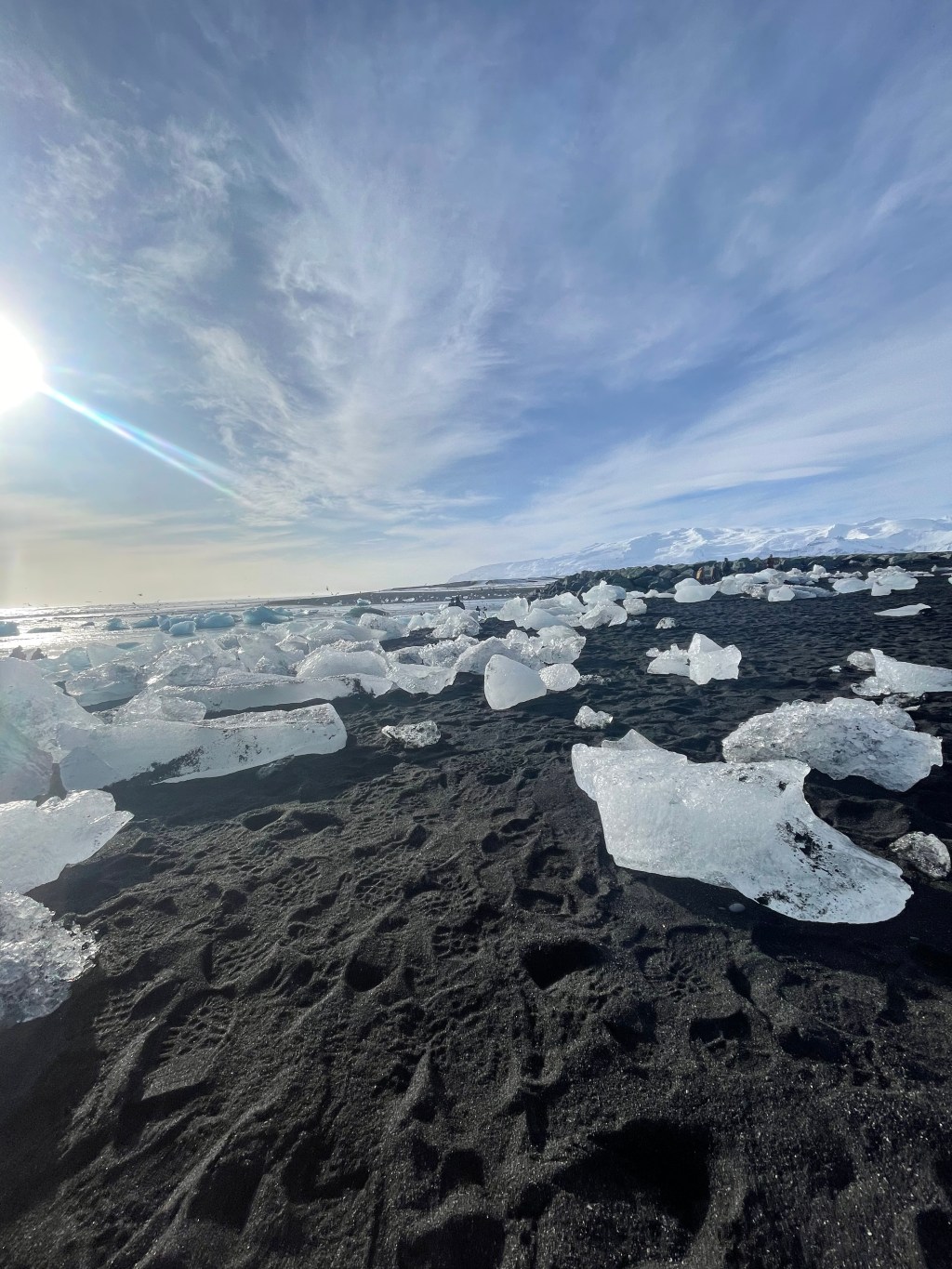
The unique geology of the Southern Region has shaped its economic activities by fostering a tourism industry that capitalizes on its natural attractions. Visitors flock to the area to witness volcanic eruptions, explore ice caves, and experience geothermal wonders. As a result, the Southern Region mainly focuses on eco-tourism rather than industrial development, preserving its landscapes while benefiting economically from tourism.
Sustainability and renewable technologies play a crucial role in shaping the future of Icelandic industries. Geothermal energy, for instance, is integral to the aluminum smelting and tourism industries. Approximately 70% of geothermal energy produced in Iceland is used for aluminum production. Utilizing geothermal energy decreases the carbon footprint of aluminum smelting relative to other countries. The clean energy source supports sustainable tourism, as many resorts and attractions use large amounts of energy.
As Iceland moves forward, maintaining the balance between industrial growth and environmental sustainability is key. While industries like aluminum smelting and tourism drive economic activity, Iceland must continue to preserve its natural resources. Using geothermal energy is a sustainable initiative to ensure economic growth without compromising the environment. If Iceland fails to maintain sustainable practices, it could face long-term challenges. Industries that rely on natural resources and clean energy contribute taxes that support public services, such as education and infrastructure. This, in turn, helps Iceland invest in further sustainability and industrial advancements.
 Swanson School of Engineering