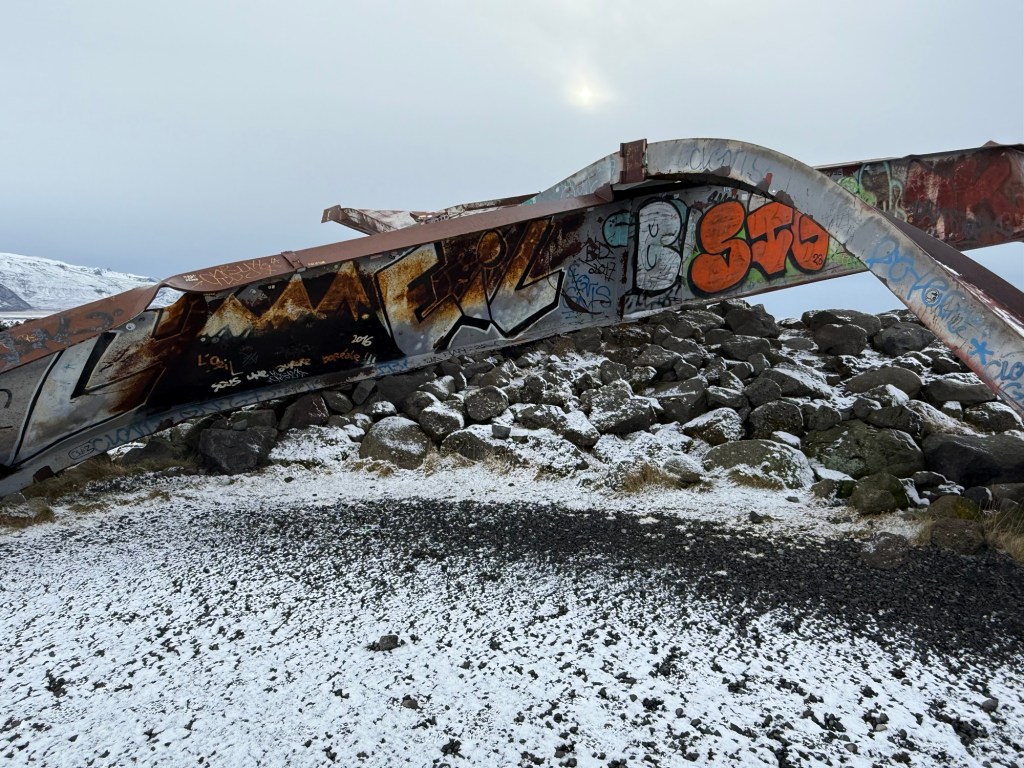
Southern Iceland’s geological environment is very unique in its higher volcanic activity, vast glaciers, and frequent flooding. With such intense conditions, engineers must ensure that resilient infrastructure is enacted to withstand nature’s strong hand.
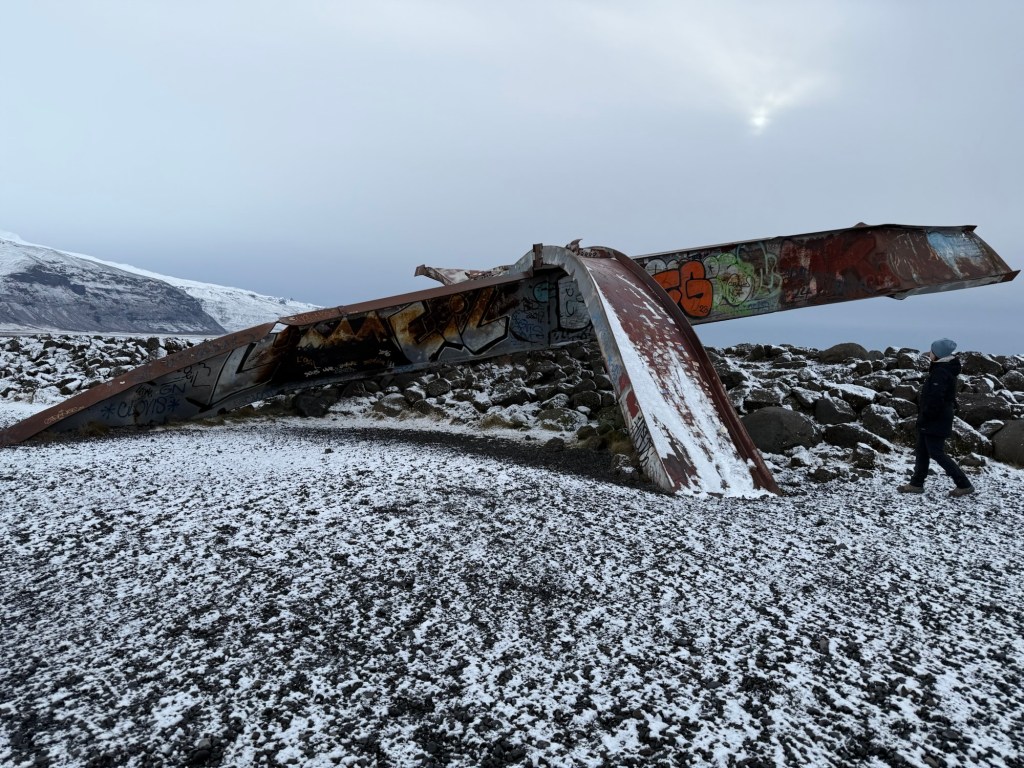
Now, what are engineers actually up against? An active volcanoes cause eruptions with large ash deposits and acid rain. Infrastructure needs to be able to be grounded and stay grounded in high volumes of ash while not disintegrating under the rain. Glacial rivers and sudden flooding may cause flow rates up to 50000 cubic meters per second, which is what destroyed Skeiðará Bridge in 1996. This bridge is now a monument that serves as an engineering reminder of the forces they are up against. On top of all of this, Iceland is on two tectonic plates and they are moving away from each other around 2cm a year. These cause substantial earthquakes and need to be accounted for in all imposture planning.
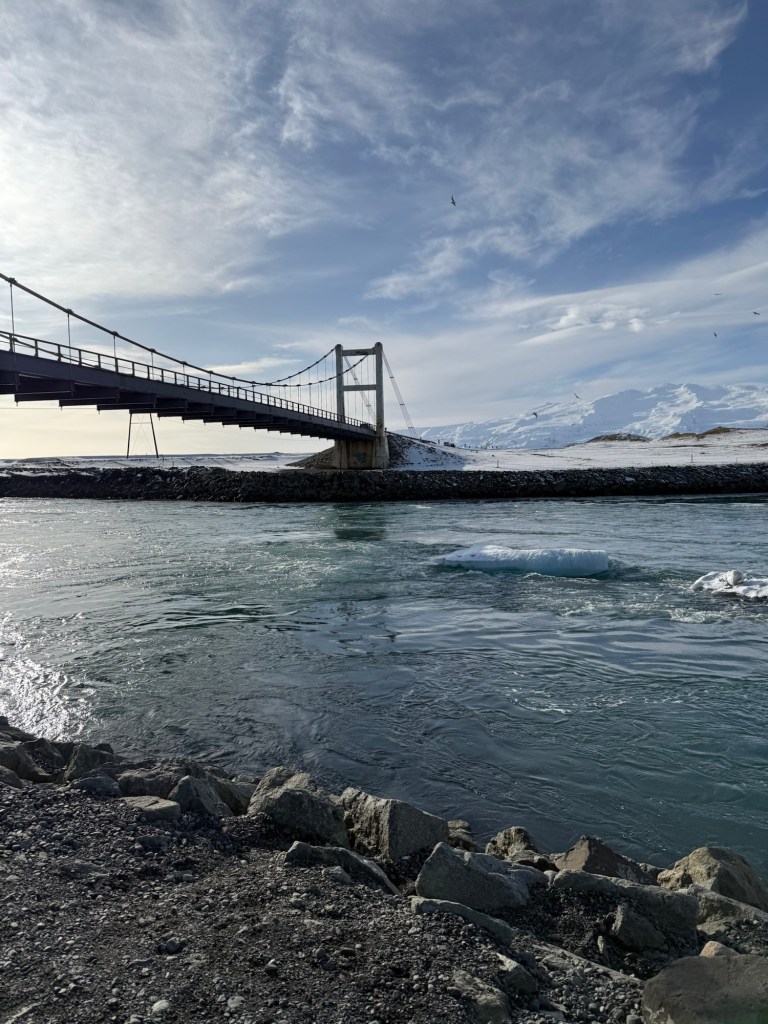
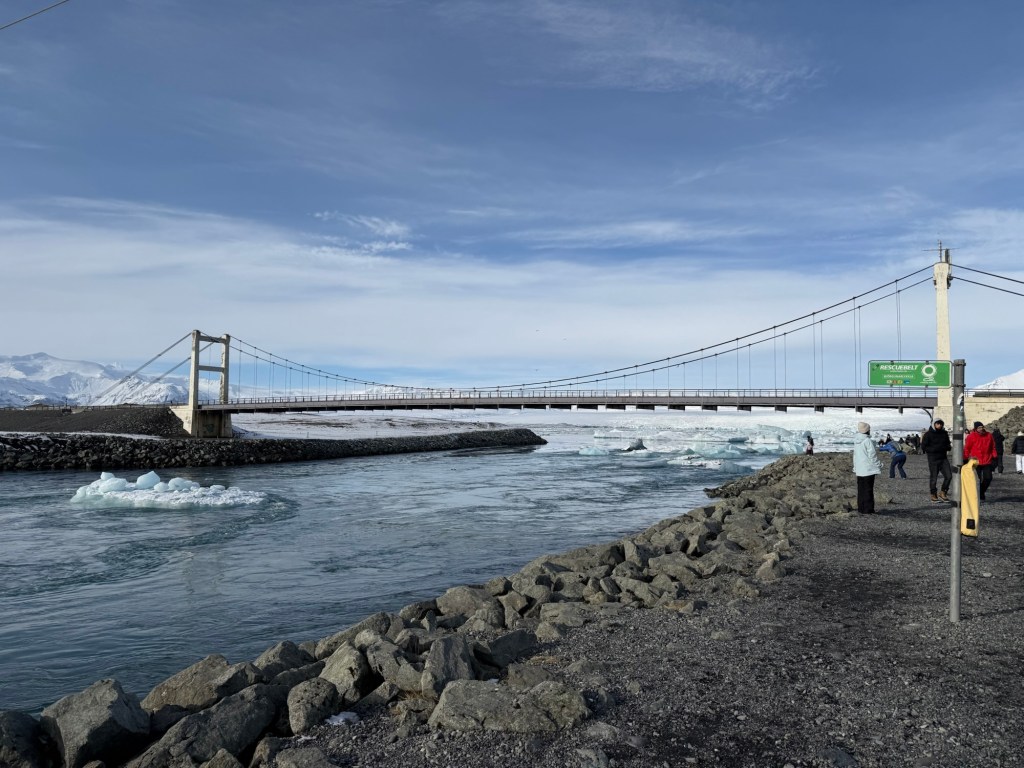
Icelandic engineers are aware of these challenges when they innovate. In their strategies to optimize their resilience, they elevate roads and reinforce embankments to withstand flooding. Most elevated roads are bridges but are made to be flexible with deep foundations to withstand earthquakes. (Shoutout cable bridge)
Engineers also think about the user and their needs. With high winds and cold temperatures, ice is likely to form. Geothermal energy integration for road heating is implemented to prevent ice build-up. Along roads, there are also smart monitoring systems for early warning and maintenance so travelers are not caught in treat ours situations. Keeping the environment in mind, they build everything out of sustainable materials.
Engineering innovations for a safer, better, and long-lasting infrastructure. Balancing resiliency and sustainability is tough, but Iceland proves itself time and time again with its grand efforts and admirable pioneers.
 Swanson School of Engineering