Our tour guide, Olaf, shared insights into the history of Iceland and its relationship with religion, which I found fascinating. The Vikings followed paganism, a belief system emphasizing connecting with nature to navigate life transitions. There were no laws regulating religion under the Althing parliament. However, when Icelanders came under Danish rule in the 12th century, laws attempted to restrict religious freedom by prohibiting paganism from being practiced publicly. Many Icelanders converted to Christianity due to economic and social pressures. Despite this, many Icelanders practiced paganism discreetly, passing down its traditions, practices, and rituals through generations.
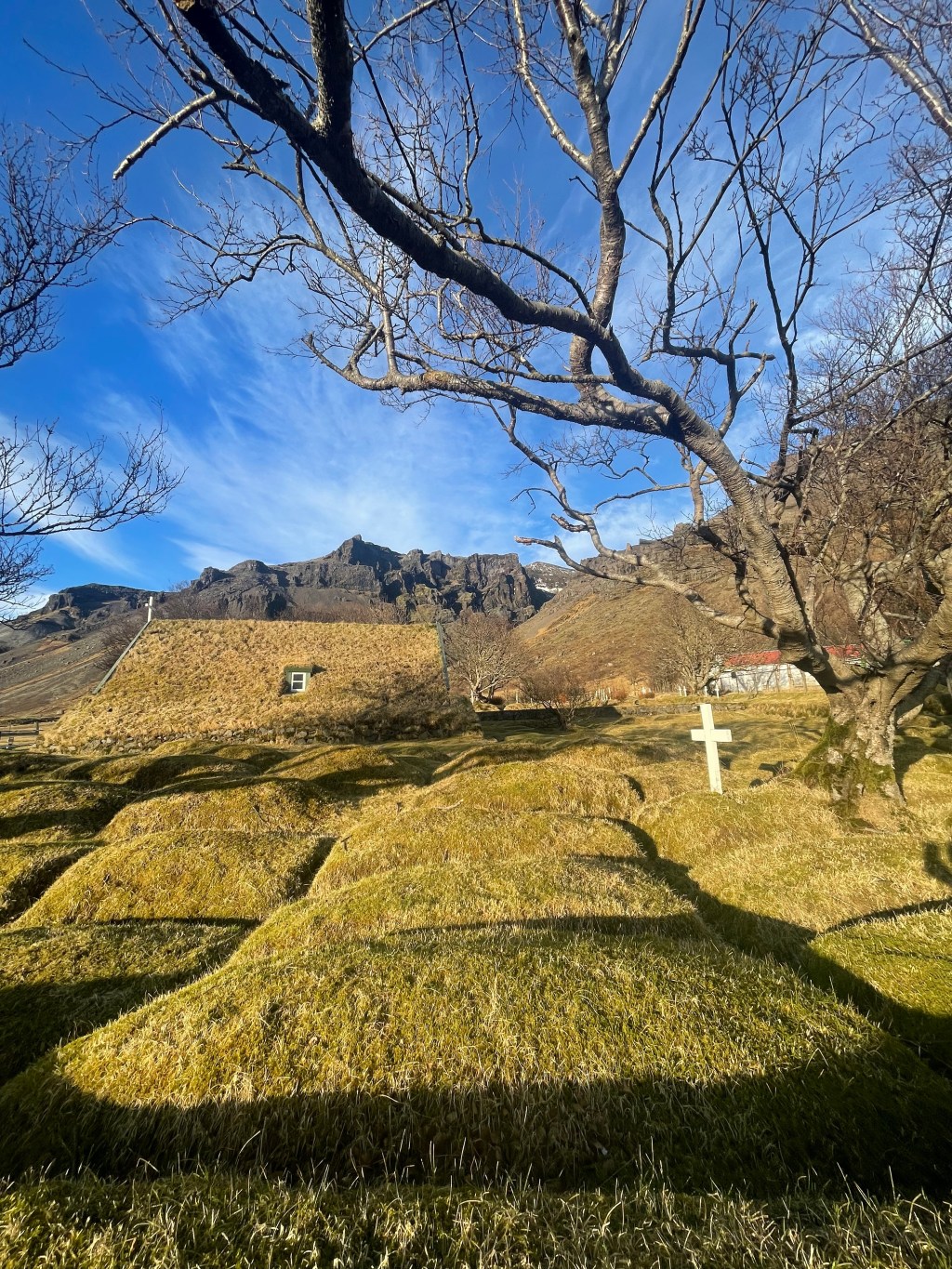
Throughout our trip, Olaf highlighted how religion divided towns in Iceland, with some known for their pagan or Christian traditions. One of the most memorable stops was the old pagan town of Hof, where we learned about the history and rituals of paganism, including how to revive a ghost in the pagan tradition. It was fascinating to hear Olaf discuss pagan rituals. This demonstrated how, despite the religious suppression under the Danish monarchy, paganism has endured and continues to be shared across generations.
We also visited Thingvellir National Park, where pagans perform ancient rituals. Today, Icelanders who practice paganism are granted special access to historically significant areas of the park to conduct religious ceremonies. The discussion of paganism, religious suppression, and the perseverance of those who wished to continue their pagan practices over time was a captivating topic for me and one that I hope to explore further beyond this trip.
 Swanson School of Engineering