In as early as the 13th century, silver was being mined in the area known today as the Czech Republic. Due to the country’s prime position surrounded by mineral rich mountains, the Czech Republic quickly became a center for trade, commerce, and industry in central Europe. As people from other nations looked to capitalize on the wealth gained from mining, minting, and utilizing the materials, central Europe quickly became a melting pot of educated workers with the ability to speak multiple languages. This collision of cultures gave the Czech Republic its economic advantage and over centuries catapulted the country into its status as the second largest supplier of automobiles per capita.
I had the wonderful opportunity to learn all of this and more today at the famous Charles University in the city of Prague. The lecturers were incredibly engaging and left me with a much better understanding and background of the formation of the Czech Republic and its engineering industry. These lecturers put on display just how innovative and attentive Czechs are to their industry and infrastructure, perhaps best displayed by the tour we took afterwards of Podoli Waterworks.
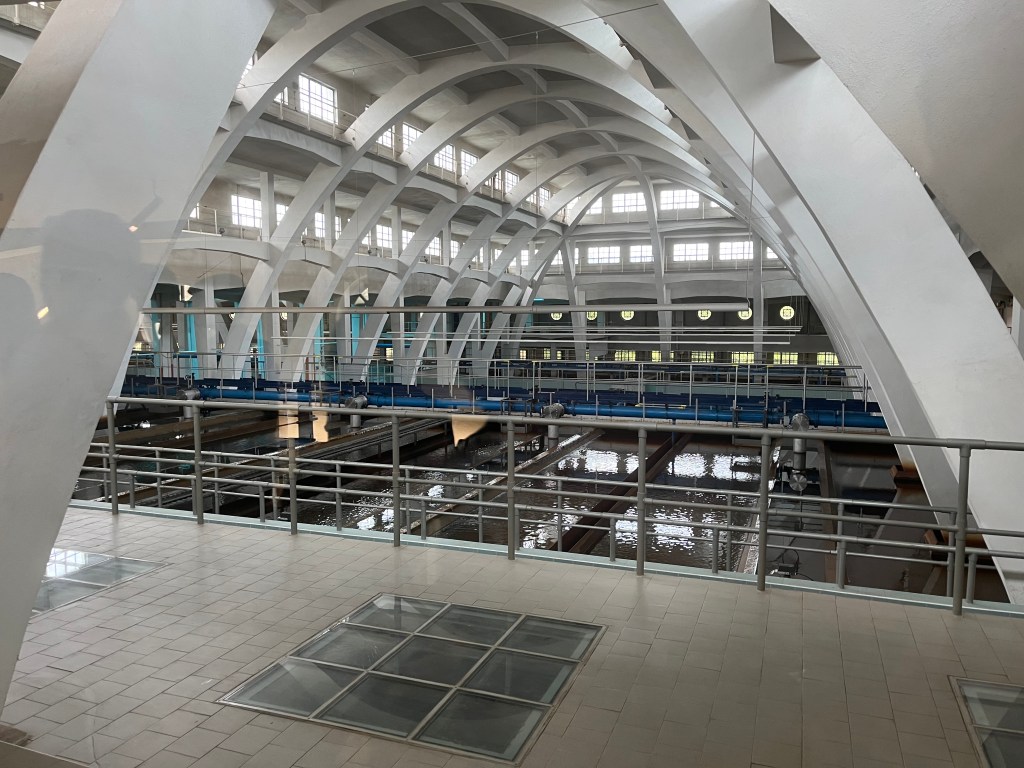
At Podoli Waterworks, we had the wonderful opportunity to see a Czech Republic water treatment facility that has been operational for nearly one hundred years. In the facility, we saw exhibits of how treatment methodologies have changed over the years in addition to a comprehensive map of how water is distributed all across the country. In both the water and rare mineral industries, I learned how despite only making up 10 of the 440 million people in the European Union, the Czech Republic remains a leader in central European innovation and engineering.
Source Links:
1. Kunta Hora
 Swanson School of Engineering