Our field trip today was to Podolí Waterworks (est. 1929), one of three facilities that supply water (for drinking and other uses) to Prague. It was a large, pretty building with arched ceilings and a museum, which we toured.
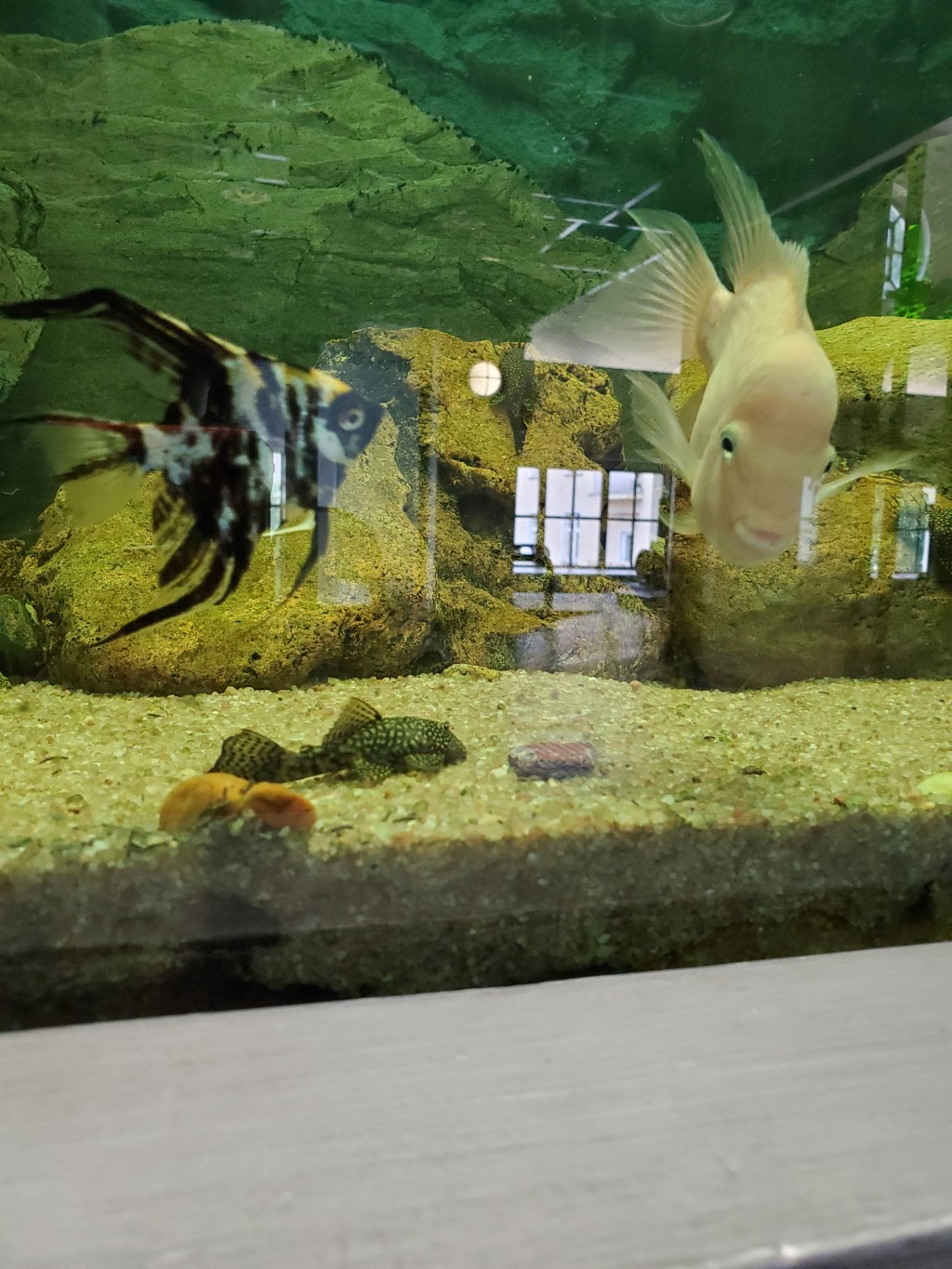
It’s interesting to consider Prague’s water infrastructure history from the perspective of pipe material. To start, ceramic pipes were made by the Romans. The Romans built aqueducts and took advantage of gravity to move water. Later, people developed various ways to pump water upward. In the Renaissance, pipes were made of wood (which looked like tree trunks or poles with holes through them). In the 1800s until today, the city’s pipes are cast iron, and some steel in the places where the earth is loose (so as not to break the more brittle cast iron). Indoors, lead and plastic (PVC, PET, for cold water only) are used. There’s a 2.5-meter-diameter concrete tunnel to transport water (by gravity) from the farther water sanitation facility to the capital. Nowadays, water is also filtered (here) to make it safe for consumption. The filtration process involves three steps: taking river water and clearing large particles/trash (with help of trout fish), chemical filtration, and sand filtration. (The museum had a fish tank on display (with colorful fish, not trout), and the algae eaters were fascinating to me because they had squishy-looking mouths on the flat bottoms of their faces to suck/wipe surfaces!)
It was interesting to learn how water infrastructure has developed here, especially since it has been an effort since Roman times. Some facts I learned were that wood could be a pipe material and water supply networks were initially (pre 18-1900s) private. I gather that Czechs’ attitude toward water infrastructure is to strive toward self-sufficiency and creatively utilize all the resources they can, given their geography: a landlocked country surrounded by mountains ripe for mining. I’ve gained a greater appreciation for the developments and technologies that make running drinkable water — which we now may take for granted — possible.
 Swanson School of Engineering