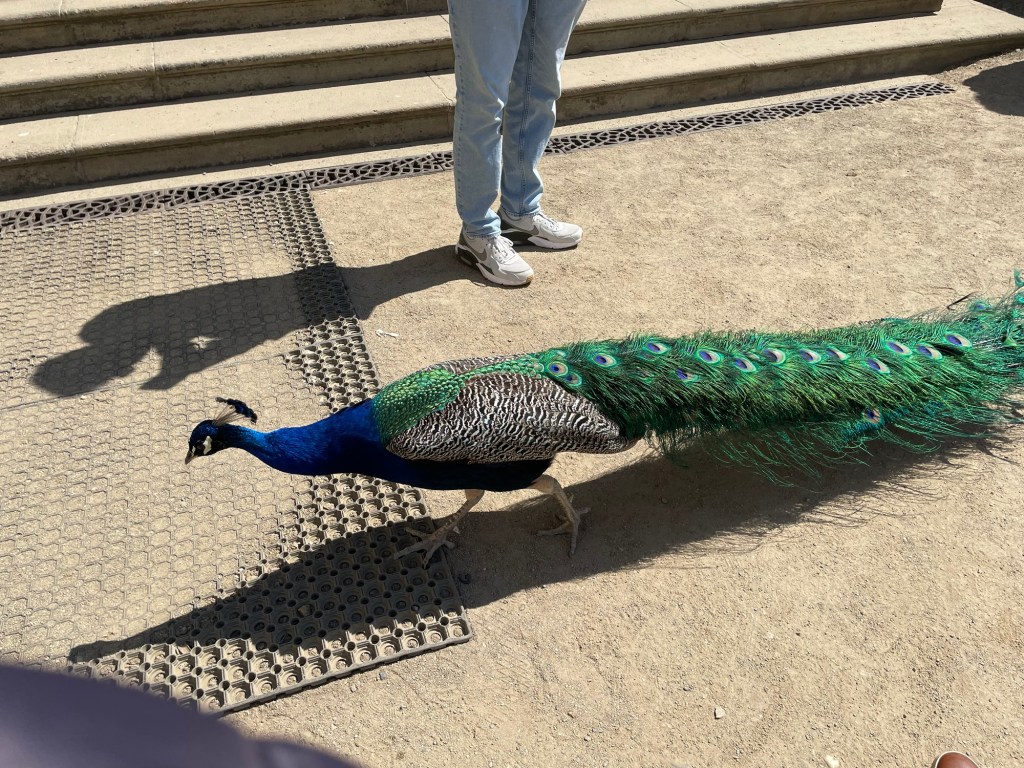
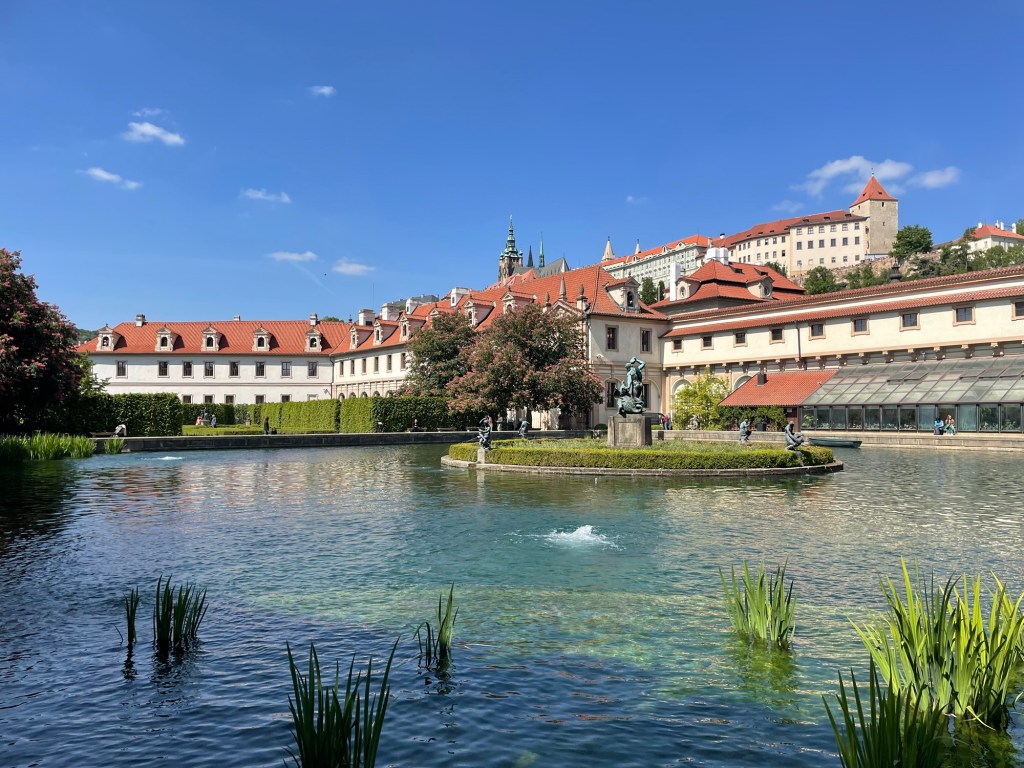
This morning, we had some free time to explore whatever we wanted! Some peers and I chose to visit the Wallestein Garden. The baroque-style garden sits next to the Wallenstein Palace. We enjoyed seeing the beautiful peacocks (including an albino one!) and the beautifully carved shrubs. The garden was very peaceful, especially nearby the pond. It was a nice break to refresh our minds, especially since we have been learning so much this trip.
This afternoon, we went to Kunsthalle Praha, where we were fortunate enough to receive a tour and a lecture by a Pitt MBA alum. A Kunsthalle is essentially a space for temporary exhibits. The building of the Kunsthalle Praha in particular used to be a transformer space. The electricity was previously used to power much of Prague, including the trams. In the beginning of the lecture, she touched on the building reconstruction, which I found to be interesting as a civil engineering student. She explained that the renovation was almost like “a building inside of a building”, with the older exterior but modern interior. The main structural reconstruction aspects had to do with the roof, flooring, designing with respect to the proper windows, and complications with drilling into the ground (wiring and historic artifacts). Our lecturer also talked about the building materials, which included Portland cement concrete. The floors even had bits of wiring in them to honor the historic purpose of the building. We had the privilege to view some of the electrical systems on the lower levels of the building, closed off to the public. Newer construction is in progress to create some more exhibition rooms. There is also great attention to detail when it comes to the lighting and temperature systems.
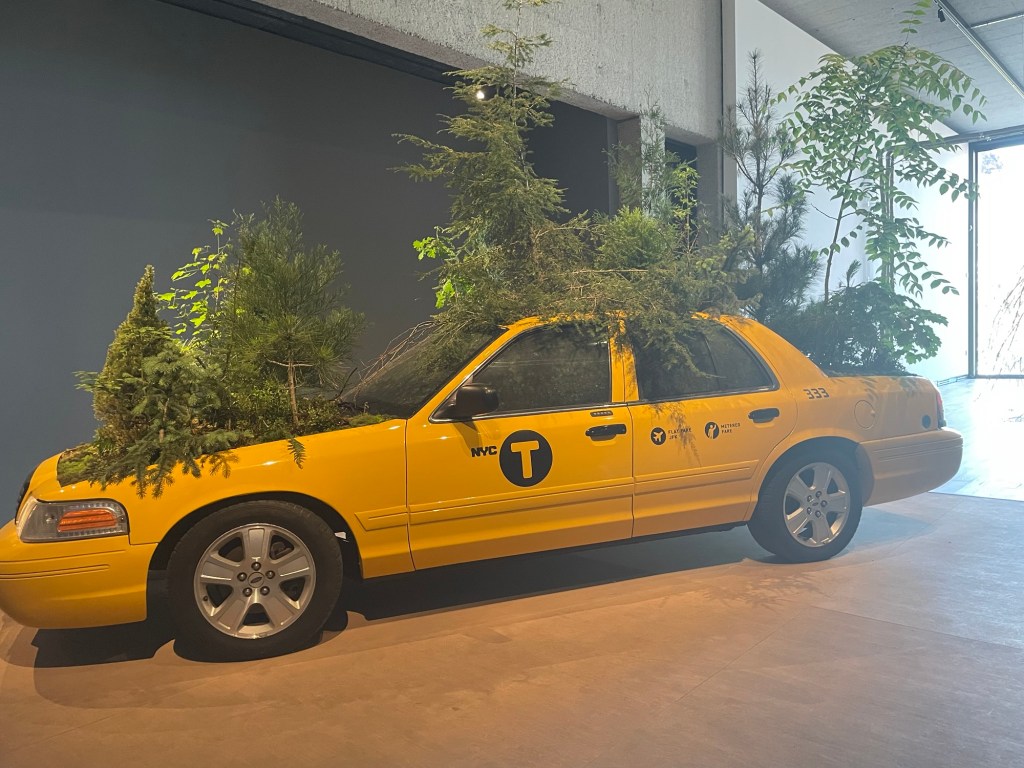
Across both of these experiences today, I noticed a commonality was the strong intention behind the design of a space. The garden was very tranquil with homage to the country’s past. Kunsthalle Praha was very carefully crafted in its reconstruction as well as its ongoing and fluctuating exhibitions. Their goal is to foster a community, pay respect to the local history, and ultimate create a unique environment. As a civil engineering student, experiences like these make me want to dive deeper into the architectural side of my studies.
 Swanson School of Engineering