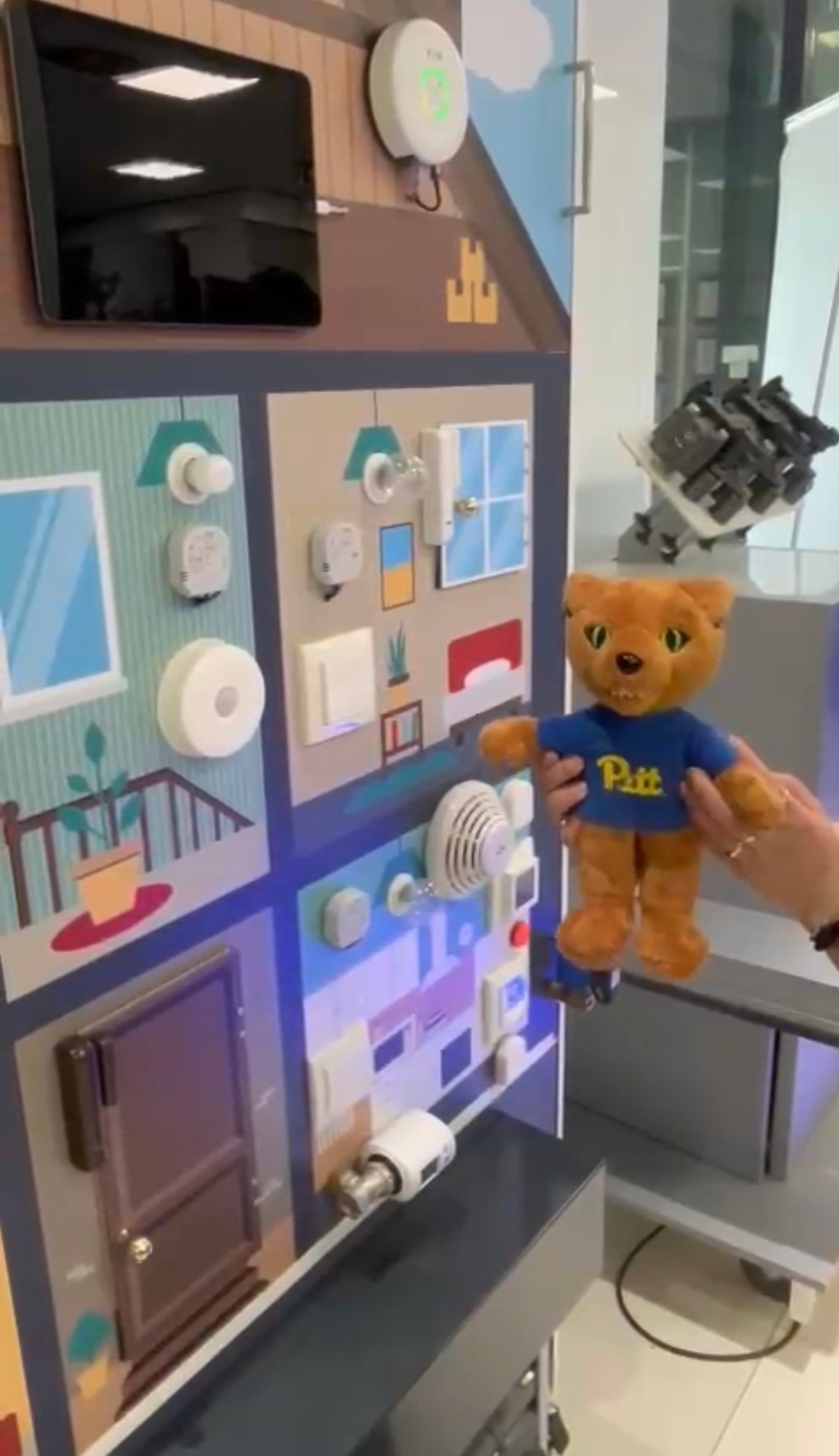
Our visit to Eaton highlighted several innovations addressing global engineering challenges such as energy efficiency, safety, and sustainability. Eaton’s energy management systems are designed to optimize energy consumption, aiming to reduce costs while increasing efficiency and safety. These systems reflect a forward-looking vision centered on sustainable development. Another key innovation was their home electricity management system, which uses actuators and sensors to remotely monitor and control devices—enhancing both convenience and safety. Eaton’s emphasis on rigorous manual testing ensures high-quality, safe products, which is crucial for global applications. Additionally, their strategy of generating revenue through maintenance services—especially in aerospace components—shows a sustainable business model where customers are also end users, fostering long-term reliability. In the PCB lab, engineers demonstrated the challenges of miniaturization and the importance of staying up-to-date with rapidly evolving technology, showing their responsiveness to global demands for smarter, smaller, and more affordable electronics.
Memory and preservation play a vital role in understanding and appreciating engineering heritage. At the Sedlec Ossuary and the Cold War Museum, we witnessed how physical artifacts—from documents and IDs to weapons, medical tools, and even toilet paper—were preserved exactly as they were, allowing us to step back in time. These sites provide a tangible link to the past, showing the evolution of technology and engineering practices across eras. Observing everything from handmade wooden devices to early electronics and spy equipment helped us appreciate the journey of innovation and the context in which engineering solutions were developed. These preserved artifacts serve as educational tools and cultural touchstones, reminding us that modern engineering stands on the foundation of historical progress and collective memory.
Engineers working in global contexts such as the Czech Republic may face several ethical challenges. One is the potential involvement in defense or weapons-related industries, which raises questions about the moral responsibilities of engineers. Another challenge is balancing cost-efficiency with safety; engineers might face pressure to reduce costs by cutting corners, which could compromise the integrity of a product. Additionally, environmental concerns present a growing ethical issue, as many of the systems and technologies we observed are still transitioning toward sustainability, and engineers must navigate the tension between current limitations and future environmental goals. Making decisions that uphold public safety, sustainability, and ethical responsibility remains a complex yet essential part of engineering in a globalized world.
 Swanson School of Engineering