
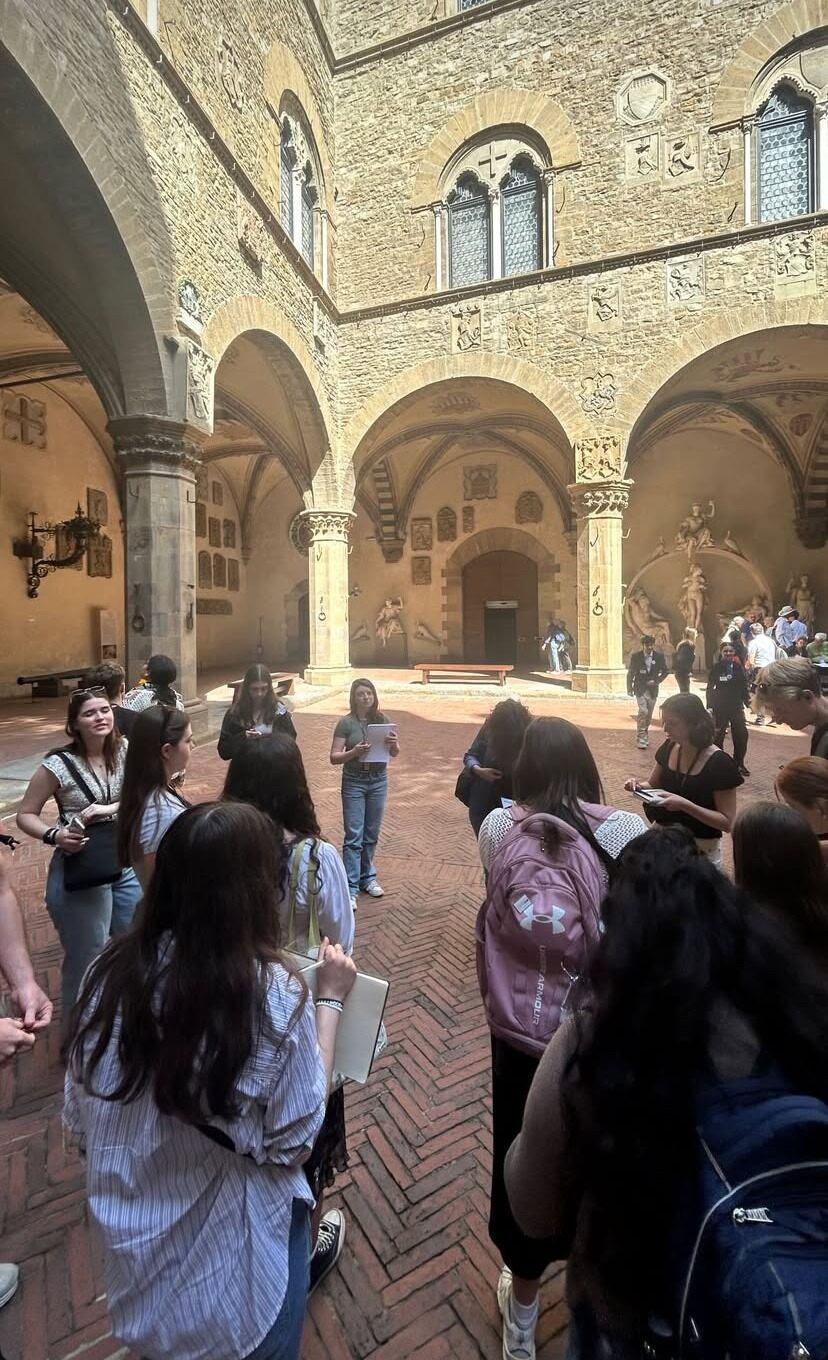
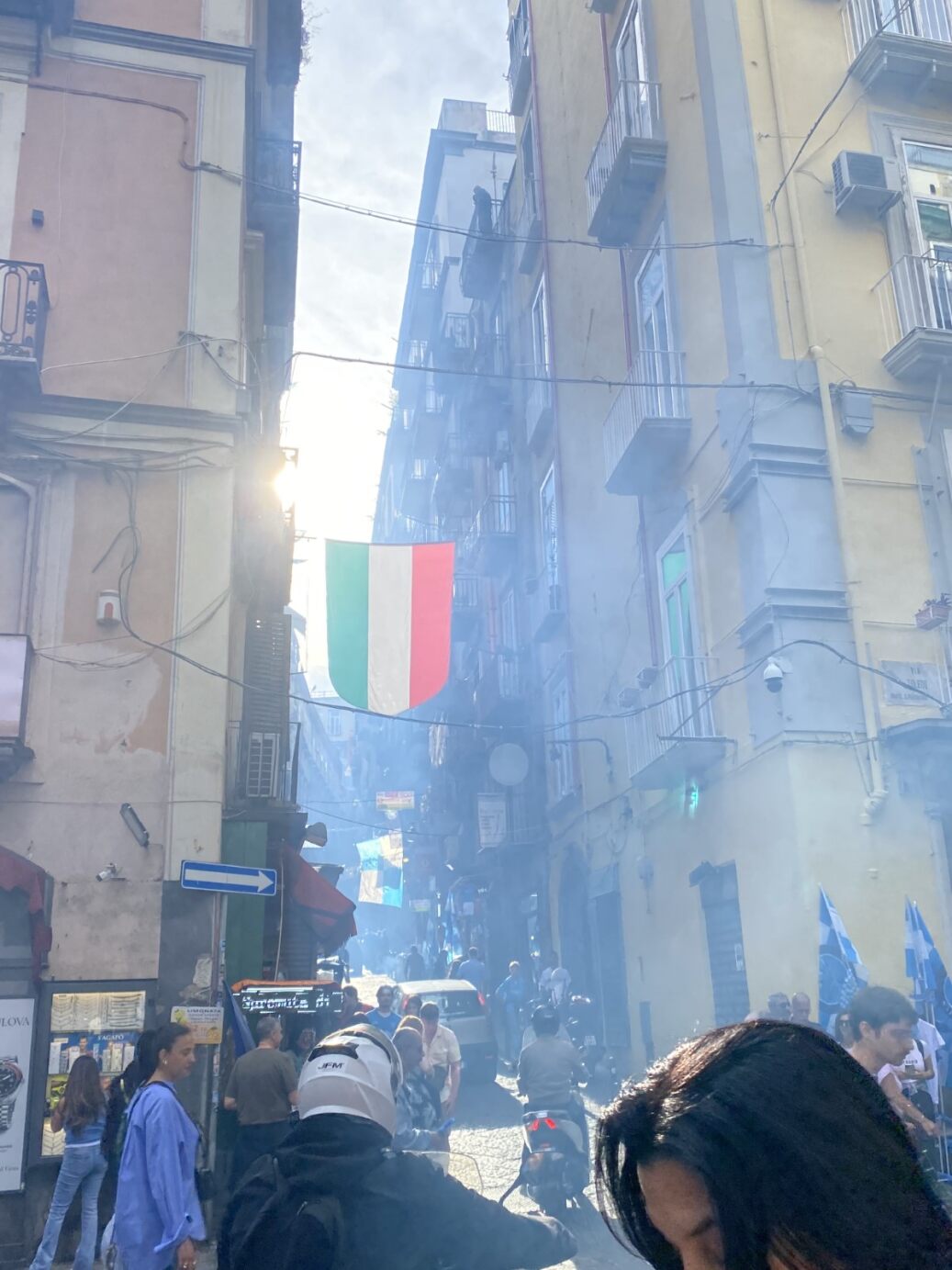
In my study abroad program, I am taking two courses that aim to explore and help students understand the great ingenuity behind the Renaissance period in Italy: one being on sustainable engineering and another being on art and architecture. Although the most unfamiliar part of this program is, of course, living in a different country, I can’t ignore the humanistic basis of both my courses acting as a close second. In my art history course, this manifests itself through the in-depth history and artistic interpretation I learn, while more humanistic engineering approaches like considering social constructs and end-user needs are present in my engineering course. Another element of my study abroad academic program that sticks out to me is how its structure very closely resembles that of my time in elementary school when I had all my classes with the same people and a strong sense of community between me and my peers was fostered because of that. In fact, I find that studying abroad has led me to get back in touch with my younger self and even rethink some of the values I cultivated as a kid and still hold today. Since I was a kid, productivity and how often I should be striving for it has always been a concern of mine because I tend to attach my value and self-worth to it. One’s first instinct may be to attribute this anxiety to my generally nervous nature, but it is more than likely that the work-culture of America has also influenced it. Nowadays, especially with technology allowing people to be tuned into each other’s lives constantly, being active is highly prioritized. One pastime that satisfies this modern requirement is working. Flash-forward to my college career where I have the opportunity to travel for a study abroad program in a country known for reasonable working hours and prolonged meals: Italy. Slowly, I am working to become comfortable with not viewing every assignment as urgent, not haphazardly eating while I vigorously type on my laptop, and enjoying my commute rather than speed walking to my next destination. Despite this stark difference, however, I have also been quite surprised by how Westernized Italy is. Most people I meet, whether they are locals or not, know English and many are even multilingual. In addition, it seems most people are tuned into American culture to some degree whether it be American music, American politics, or even American fashion. In America, I find that a reciprocated version of this worldliness is much rarer to find.
 Swanson School of Engineering