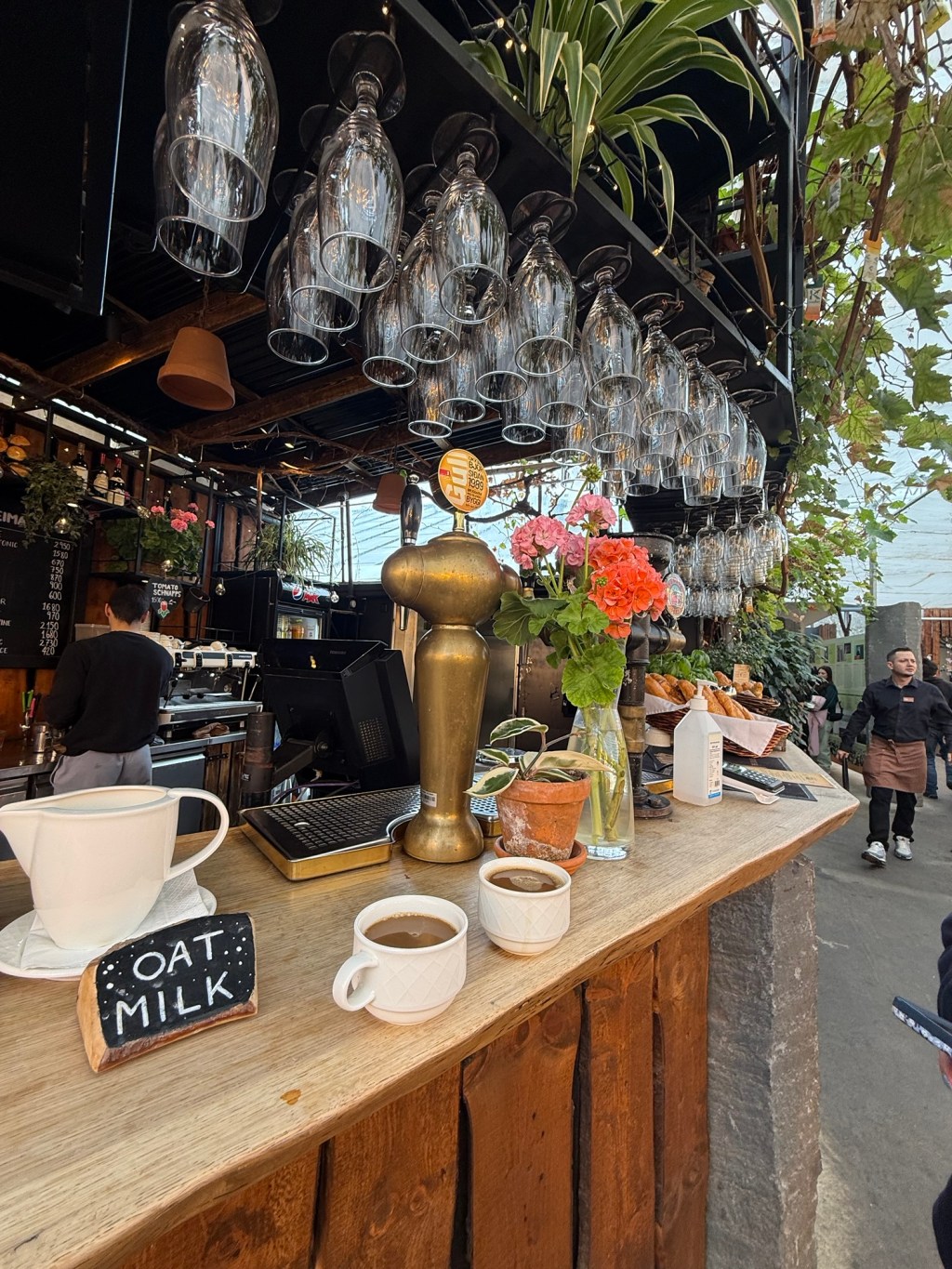
We began the day with breakfast at the hotel, which included peanut butter toast with bananas, fresh fruit, and a small portion of bacon. Fuel for a big day! After breakfast, our professors and tour guides introduced us to traditional Icelandic foods. We sampled lamb, skyr, licorice and chocolate candies, dried fish, and fermented shark. The fermented shark had a strong chemical taste and was difficult to eat, but it was interesting to try! The dried fish was tough and had a very pronounced flavor, making it my least favorite of the snacks. Skyr, in contrast, was creamy and flavorful, confirming its reputation as one of Iceland’s most popular dairy products.
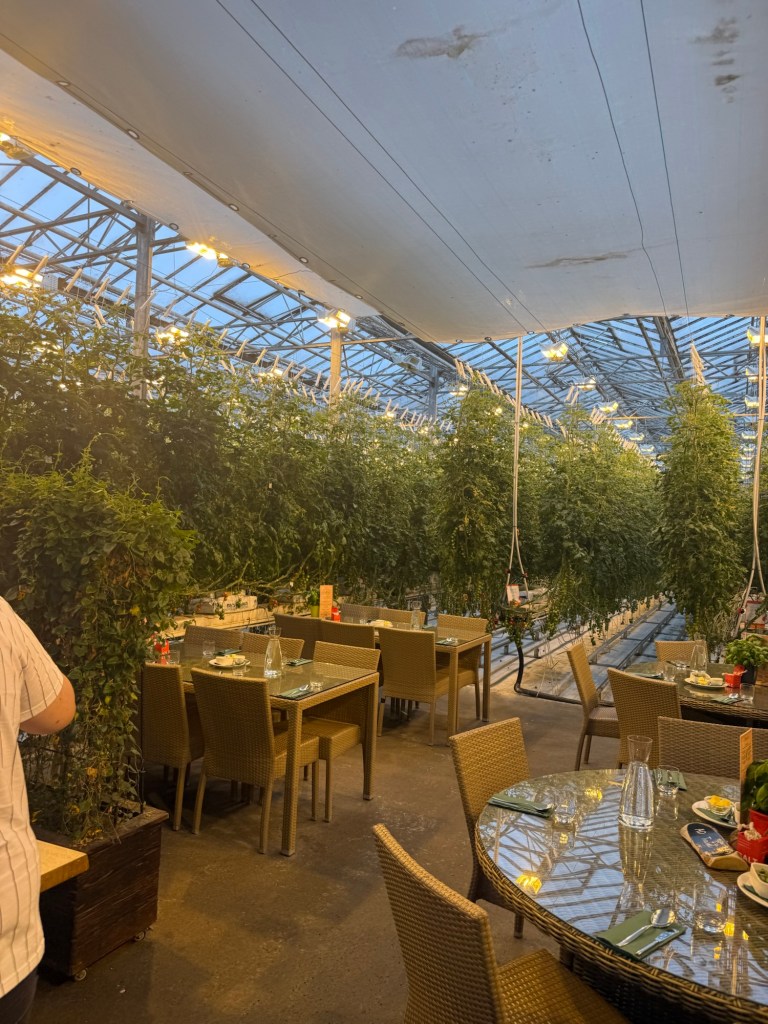
Next, we visited the geothermal greenhouse at Friðheimar, which was fascinating from both a technological and cultural perspective. The greenhouse uses geothermal water to maintain a stable temperature of approximately 95 degrees Celsius, while LED lights supplement the limited winter sunlight to ensure continuous photosynthesis. The irrigation water comes directly from Icelandic springs, the same water the local community drinks, highlighting the careful management of natural resources. The farm produces up to two tons of tomatoes per day, and even misshapen or smaller “second-class” tomatoes are used in the kitchen or made into products for sale, demonstrating efficiency and sustainability in agricultural practices. We had the opportunity to taste their homemade tomato soup, served with fresh bread, tomato salt, and basil, which was exceptional! We also met some Icelandic horses on the property, which added a cultural and historical dimension to the visit.
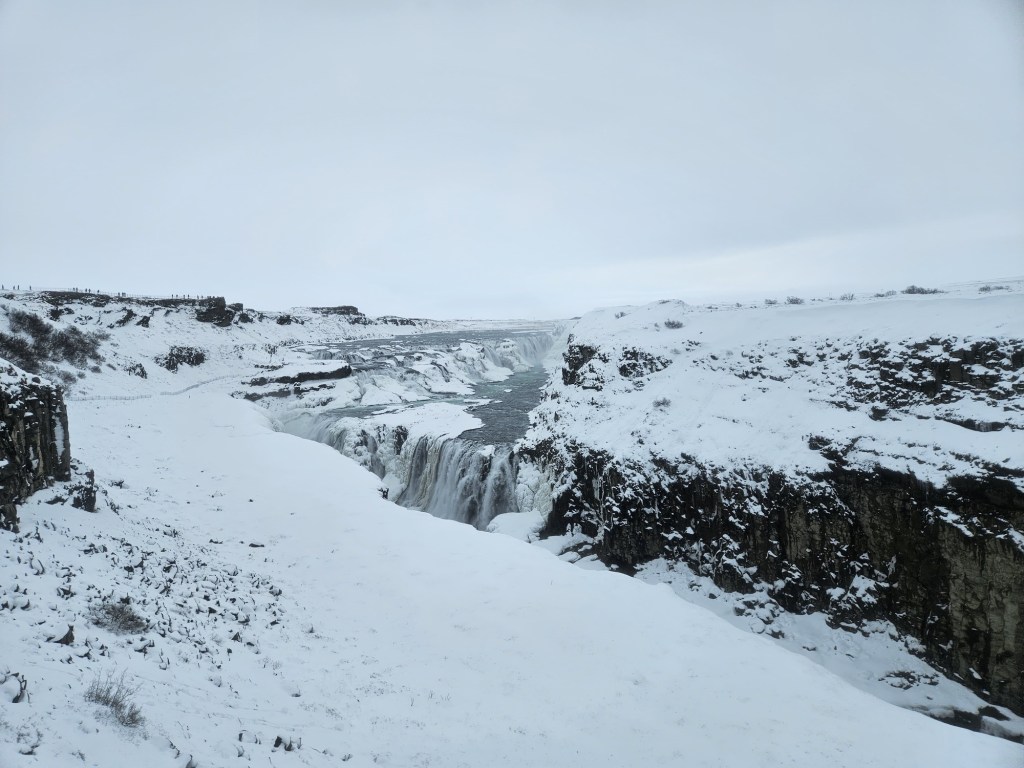
Later, we traveled to Gullfoss, the Golden Waterfall. The waterfall was immense and visually striking, and the strong winds made standing near it a memorable challenge. The surrounding environment reflected Iceland’s dynamic geology and the interplay between natural forces and human infrastructure. Afterward, we visited the nearby geyser, where geothermal activity produces boiling water and steam directly from the ground, illustrating the country’s volcanic energy and the ways it is harnessed for both practical and educational purposes.
Returning to town, we tried Icelandic hot dogs, which lived up to their reputation, and stopped at BONUS to purchase chocolates and other local treats! Once back at the hotel, we showered, relaxed in the hot tub, and reflected on the day. Observing geothermal energy applied in both the greenhouse and the local landscape highlighted the integration of technology, culture, and natural resources. Overall, the day offered an insightful combination of culinary, environmental, and geological experiences that demonstrated Iceland’s unique approach to sustainable living.
Day 3 in Iceland combined unique culinary experiences, hands-on learning, and stunning natural sights. We tried traditional foods that ranged from delicious skyr to the intense fermented shark, which was definitely memorable. Visiting the Friðheimar greenhouse showed how geothermal energy and careful resource management allow Iceland to grow crops year-round, even in winter. Gullfoss and the geyser highlighted the power of Iceland’s volcanic landscape and the ways humans interact with it. The day ended with Icelandic hot dogs and a quick grocery stop, giving a chance to reflect on the fascinating blend of culture, sustainability, and natural beauty we experienced.
 Swanson School of Engineering