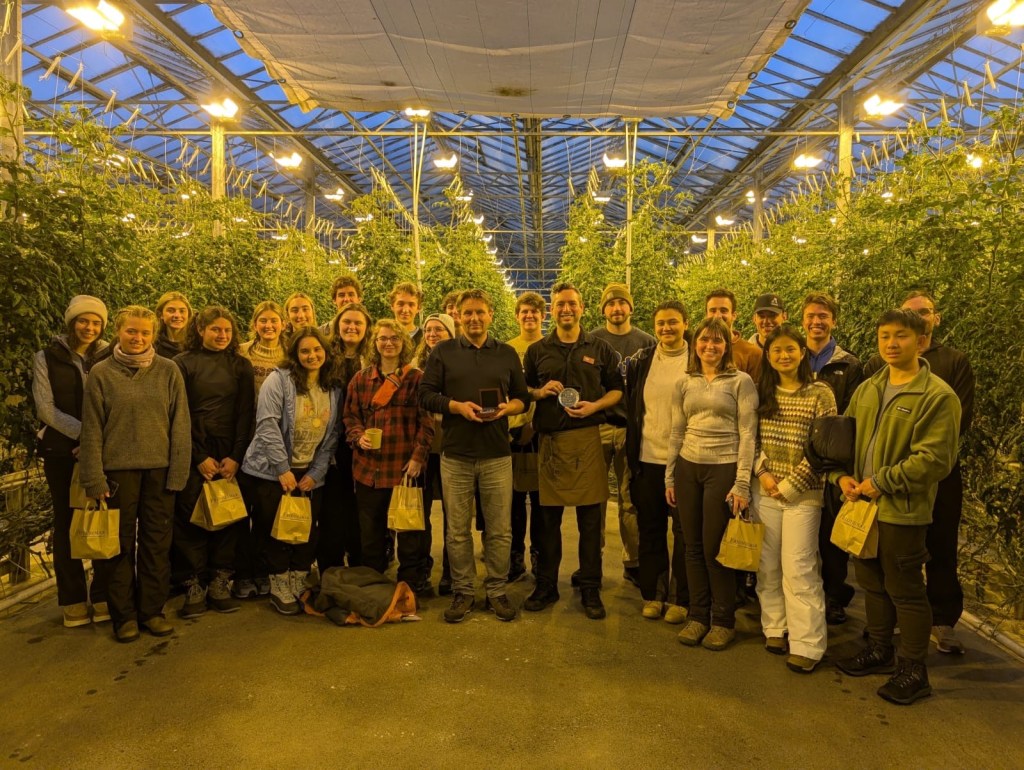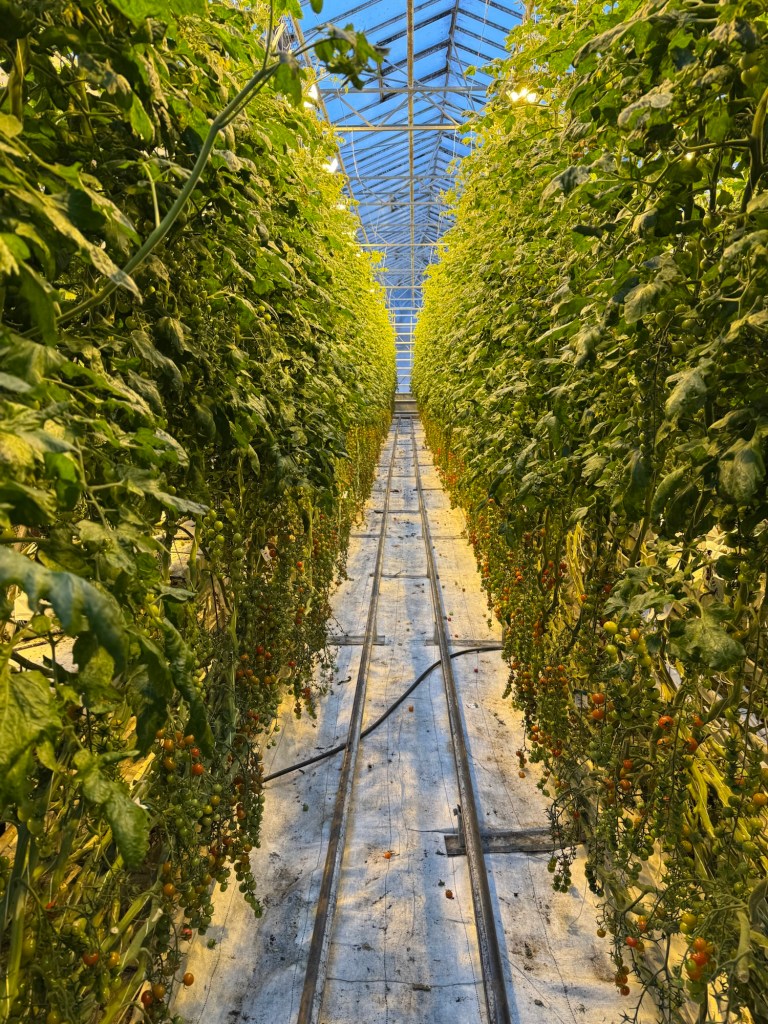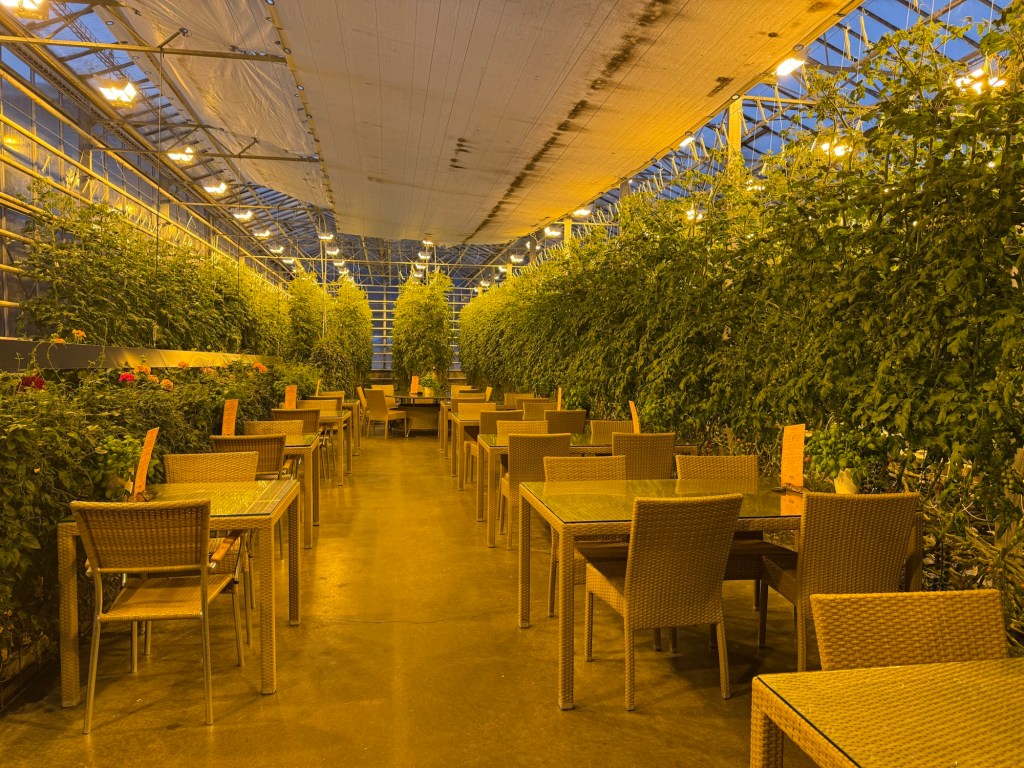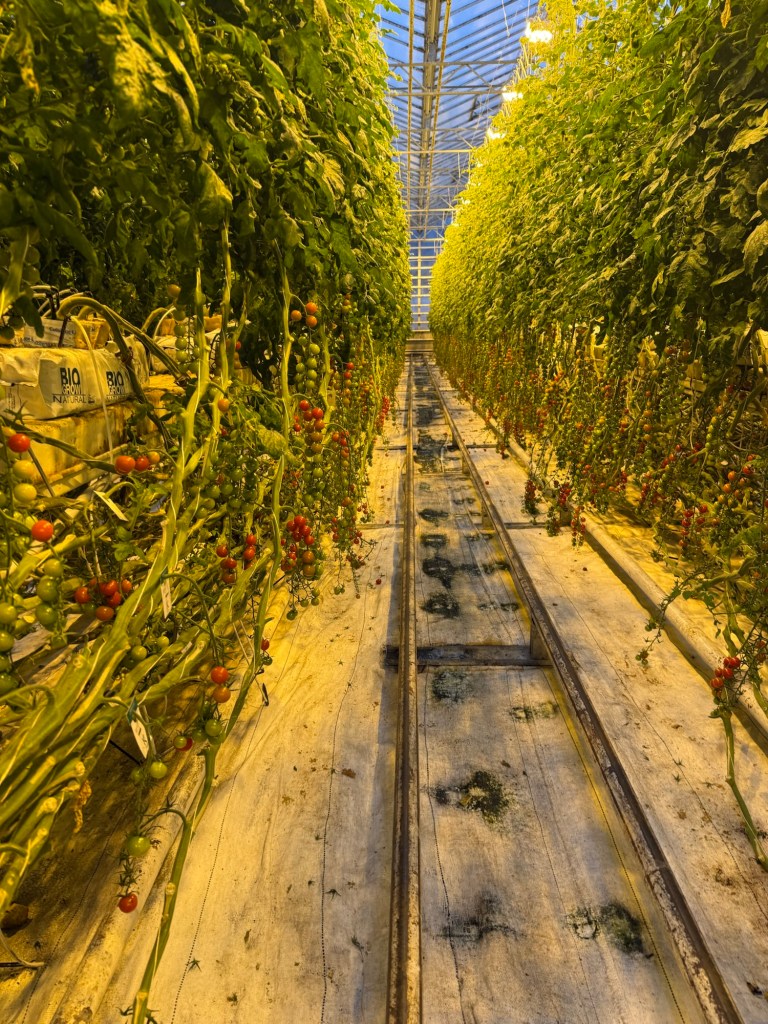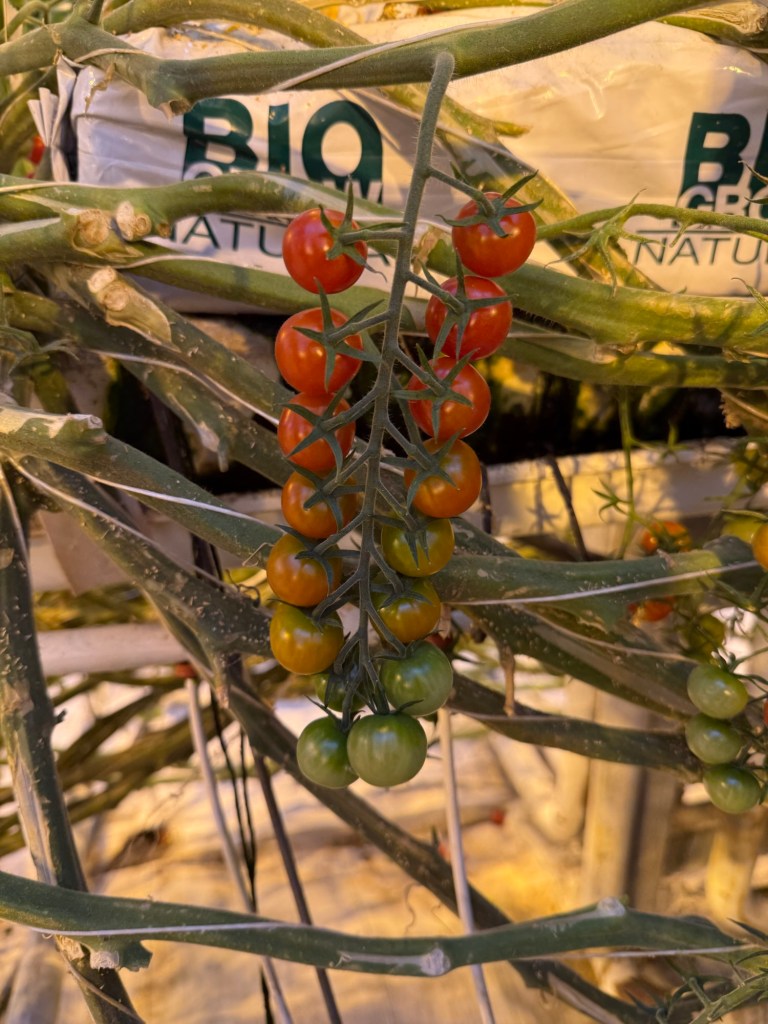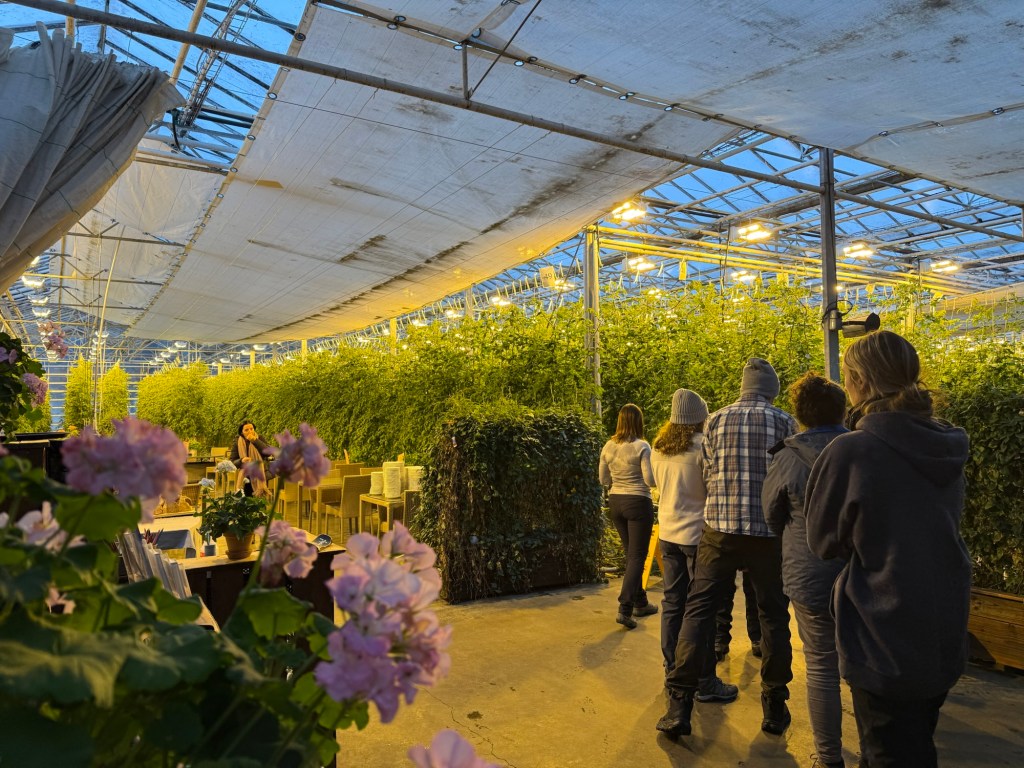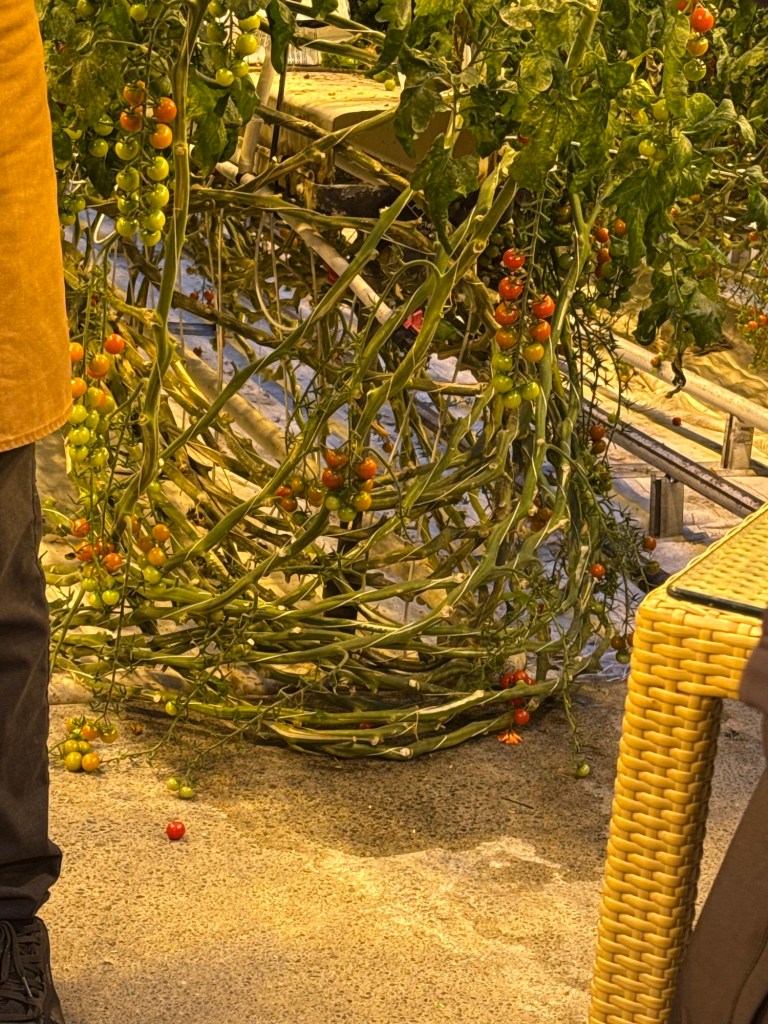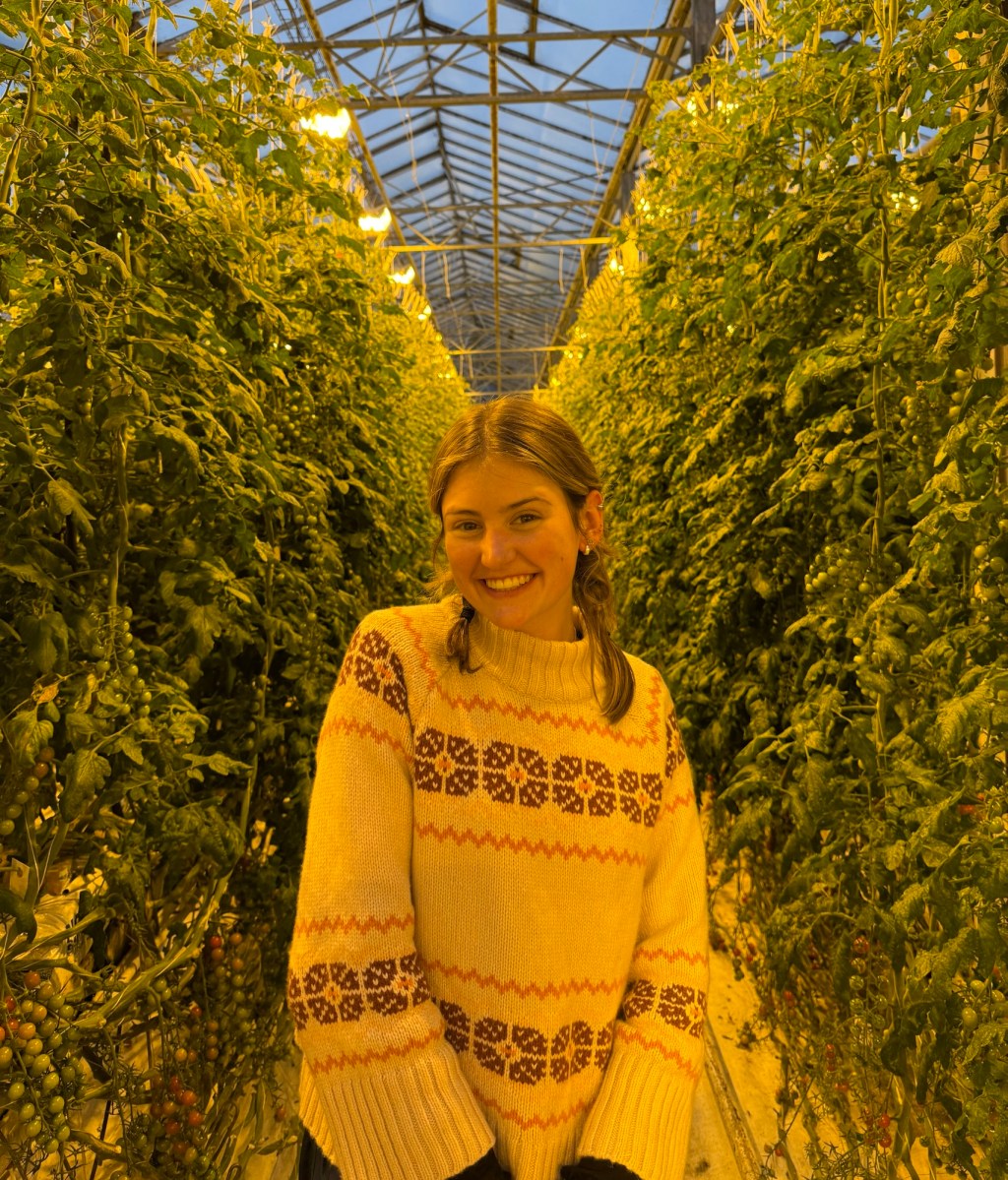
Today we visited Friðheimar Cultivation Center, a greenhouse in Iceland that provides around 40% of Iceland’s tomatoes. Now when you think of Iceland, gardening high yield plants it most likely the last thing to come to mind; the first being glaciers, puffins, and volcanoes. Iceland is a very wet country, and farming does not come easily to them. Often times their fields flood, creating lumps in the ground that tend to break their farming equipment, as Ólöf pointed out.
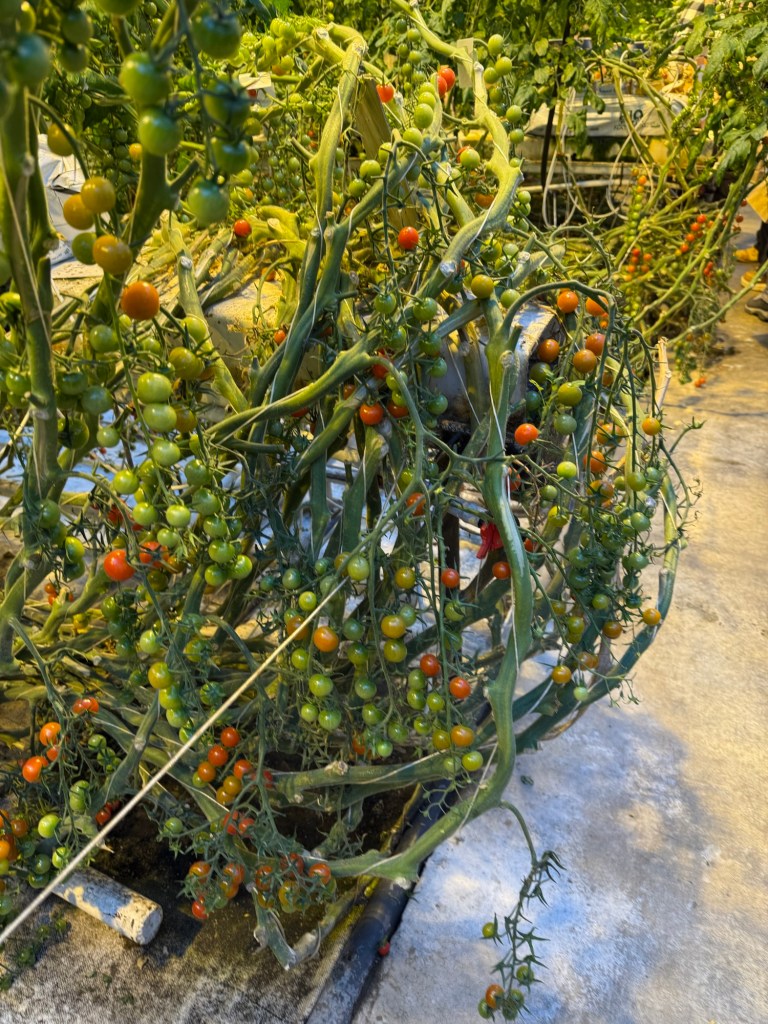
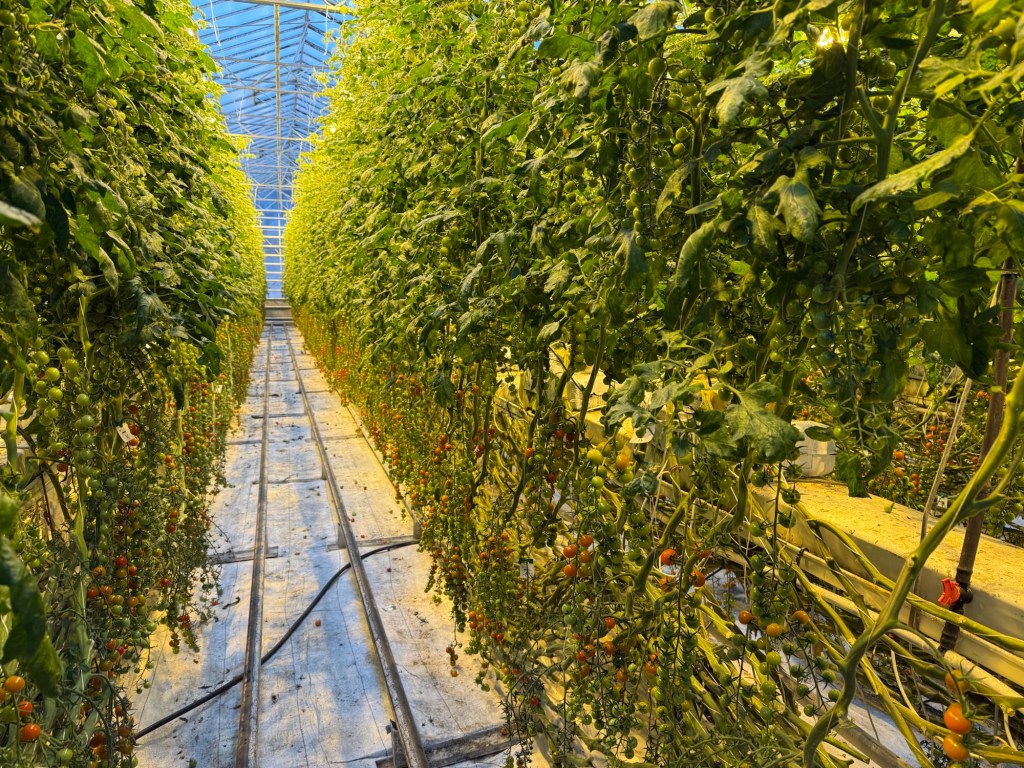
Either which way, it is extremely difficult to farm in Iceland, and even then you have to do it in a very specific window, where it isn’t too wet nor too cold. This is why places like Friðheimar Cultivation Center is vital to the survival to the Icelandic people. First of all, Friðheimar is a greenhouse, so it is in an enclosed space, safe from the elements. This also allows for year round growing of their tomatoes. Their very specific usage of the geothermally heated water, geothermal powered lights, and computer systems set them apart from all other ways of farming. Their process of growing these plants runs on a cycle, monitoring each of their vines to grow to a maximum of 10 meters long before the energy they use to fruit becomes inefficient, as they have calculated. Friðheimar Cultivation Center is technology based, with computers monitoring all aspects of the growing process, down to the bee populations.
Other places in the world can learn a lot from places like the one we visited today. Whether it is growing greenhouse techniques or incorporating geothermal energy, Friðheimar Cultivation Center is an inspiration of what farming can become and proof that anything is possible no matter the environment. This place spiked my curiosity and made me extremely excited for what they have in store for the future, and how other parts of the world may learn from Friðheimar’s accomplishments.