Working in International, Interdisciplinary Teams – Arth Shah
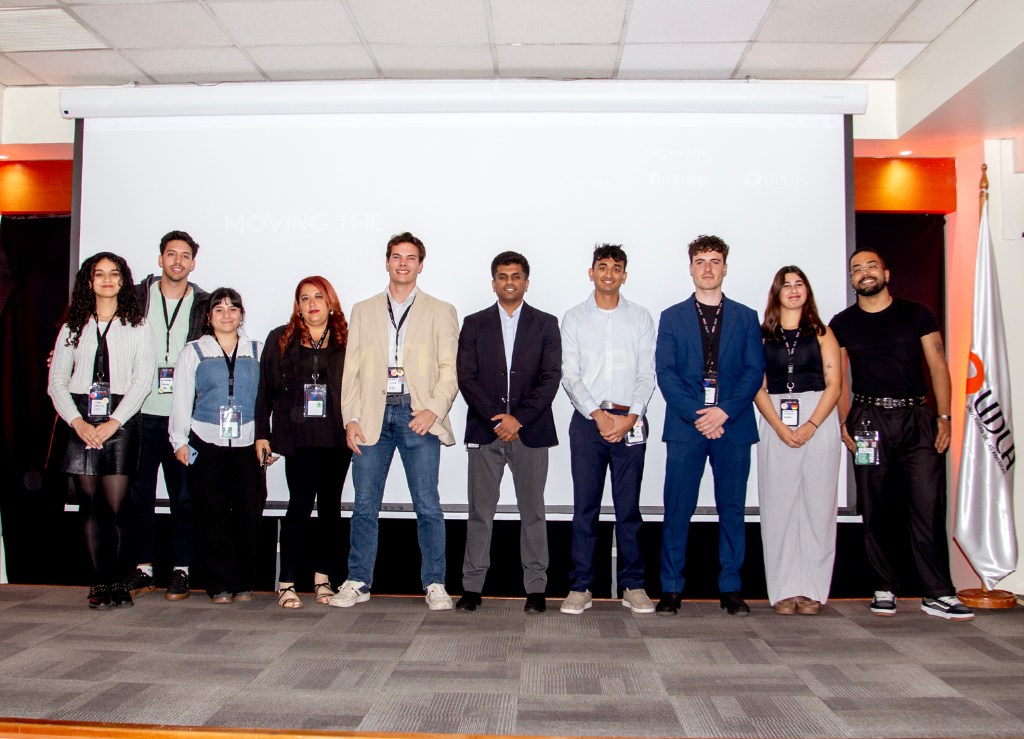
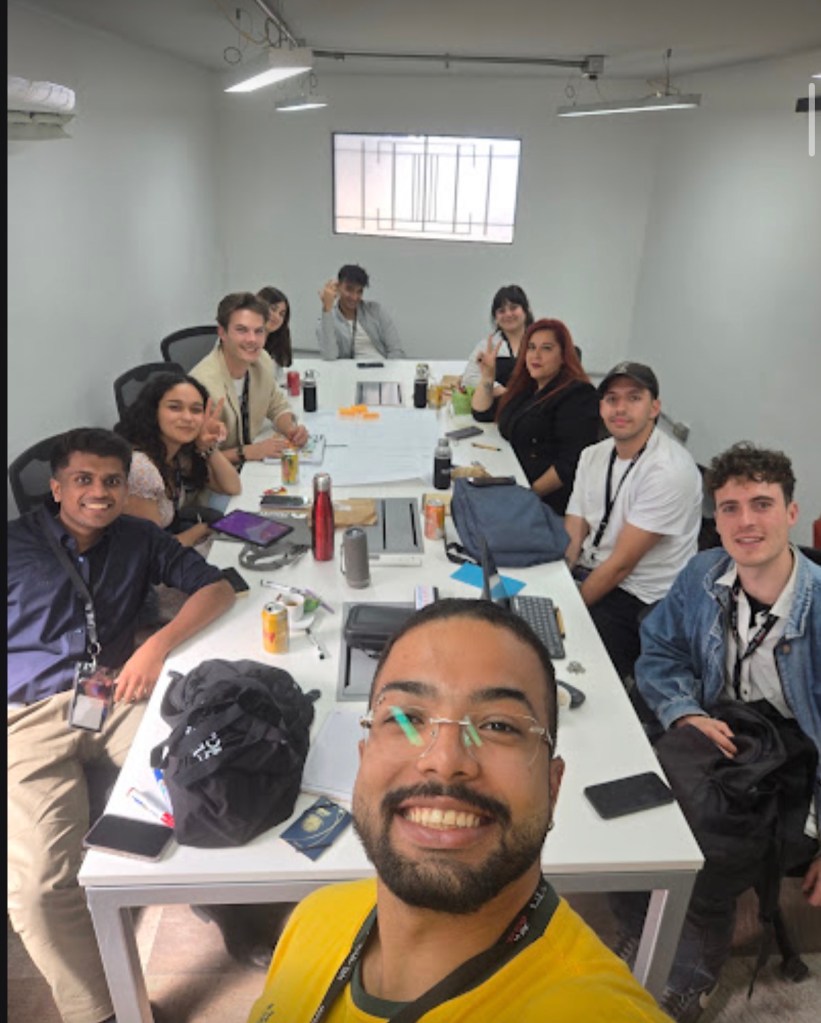
One of the most meaningful parts of my week in Chile was learning how to collaborate inside a truly international team. Our group included students from the United States, Chile, Brazil, and Germany, all coming in with different languages, academic backgrounds, and ways of seeing the world. At first, that mix felt a little intimidating yet intriguing, but it quickly became one of the strengths that shaped our final project.
We developed a few strategies to make sure everyone was included from the start. We spoke slowly, repeated key points, and asked clarifying questions. When ideas didn’t land, we relied on Google Translate, hand gestures, or quick sketches on paper. One really fun moment that I really enjoyed was when a Brazilian teammate tried to say a totally normal English word, and we all misheard it as something inappropriate, we laughed, figured it out, and the tension disappeared immediately. Moments like that made our team feel cohesive and helped us settle into a collaborative rhythm.
Not everyone was comfortable speaking English, so we tried to be patient and create space for quieter teammates. Sometimes they shared thoughts through a few words at a time, or typed phrases into a translator, but what mattered was that they felt their voices were welcomed. Some of our strongest ideas came from these moments of slowing down and listening.
The biggest shift in our thinking happened when the Chilean students shared their lived perspective on textile waste. Many of us from the U.S., Germany, and Brazil came in assuming certain systems or behaviors existed in Chile. This was especially the case with topics around recycling, incentives, and waste collection. But hearing how the crisis actually affects local communities reshaped our concept.. It helped us design something more grounded, feasible, and culturally relevant.
What surprised me the most was how natural it felt to build something meaningful with people whose backgrounds were completely different from mine. Instead of slowing us down, our differences gave the project depth. It was exciting and inspiring to realize that even with language barriers and cultural gaps, we could create something stronger together than any of us could have done alone.
Working in Santiago taught me that interdisciplinary, international teamwork isn’t just possible but it is actually very powerful. It forces you to listen harder, think differently, and trust the process. And in the end, it made our project, and all of us, better.

