We got up early again today for a full day dedicated to visiting the concentration camp, Terezín. We ate breakfast, boarded a bus, and took an hour on long drive out to the small town of Terezín.
As we drove, we watched the busy city streets slowly become suburban and eventually transform into a more rural area. Eventually, we reached Terezín, which seemed to be an extremely silent town. As we walked through the streets, it felt like the only thing we heard were our own footsteps. I was surprised to find that the town is still home to a decent population. I thought the history of the concentration camp would leave the area a ghost town, but that’s not nearly the case. Prior to the concentration camp, Terezín was already a town, and the resilience of the Czech people meant that once World War II ended, the people returned to the town.
We started with a tour of the Small Fortress, which was used by the Gestapo and to keep political prisoners. The most famous prisoner being Gavrilo Princip, the man who assassinated the Archduke Franz Ferdinand, sparking the first World War. After the Small Fortress, we wandered into another museum that displayed the inside of one of the Jewish Ghetto houses. With a small break for lunch in a quiet restaurant, we headed to the next museum, to learn more of the concentration camp.
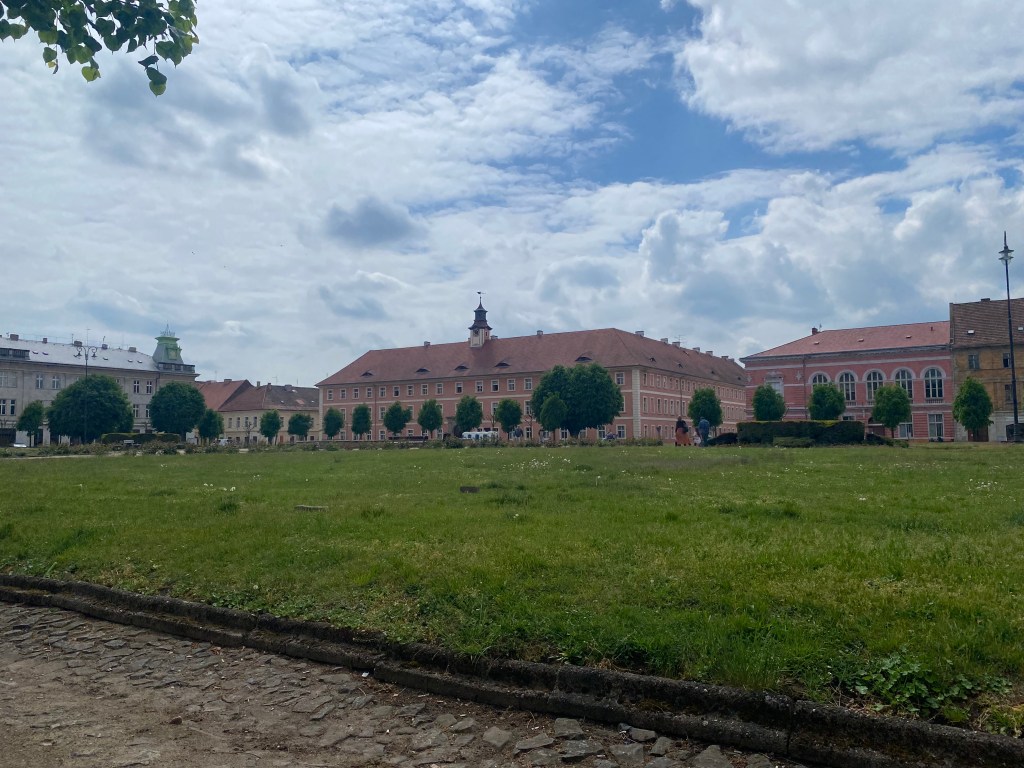
While we were allowed to take pictures of the concentration camp and Ghetto, I did not feel very comfortable doing so. The only photo I have is of a Square that had been refurnished by the Nazis during the “beautification” period of the town. For a year, the Nazis attempted to make the town look as habitable and kind as possible to hide their atrocities from the Red Cross organization, who wanted to visit the town after receiving reports of blatant human rights violations and torture.
The day was long and heavy, but I am forever astounded by the ability for the many people to continue on despite the lifetimes of pain they endured.