Ivan Zheng
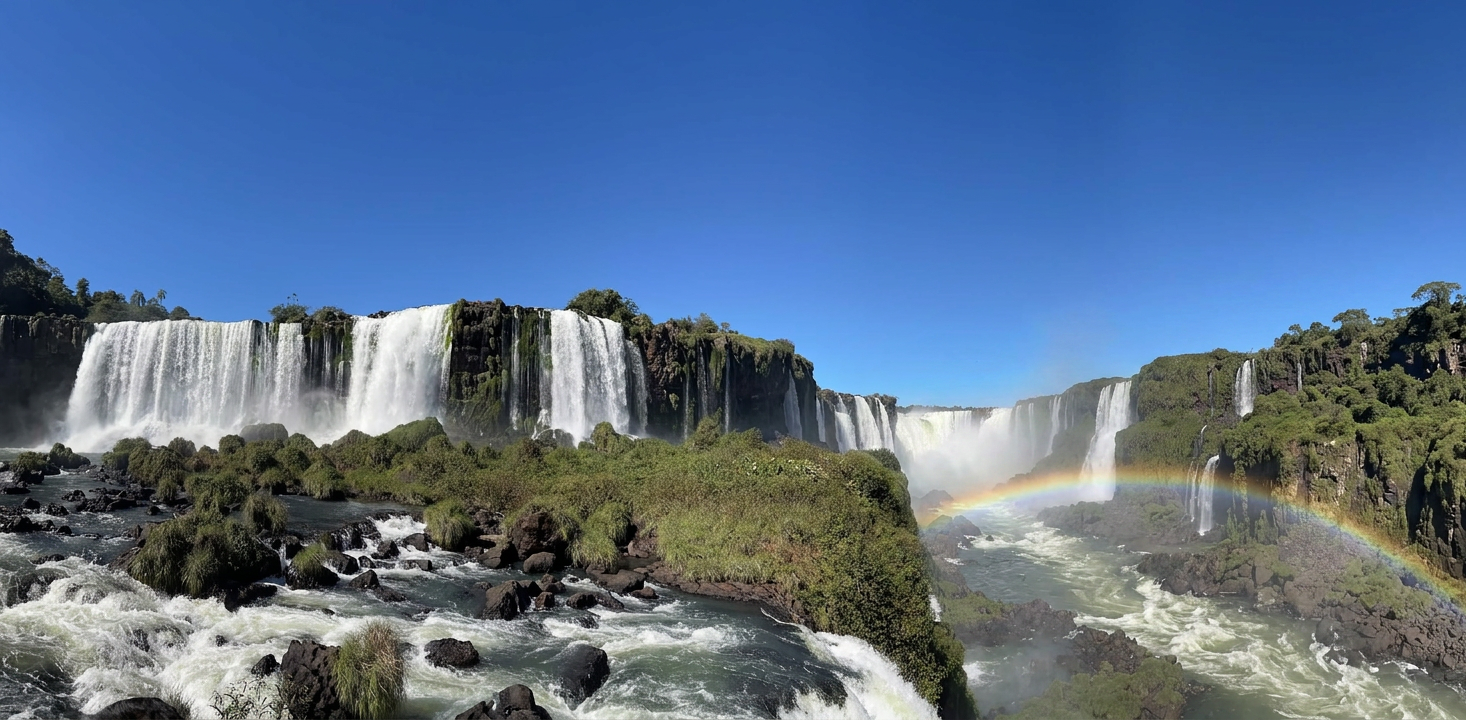
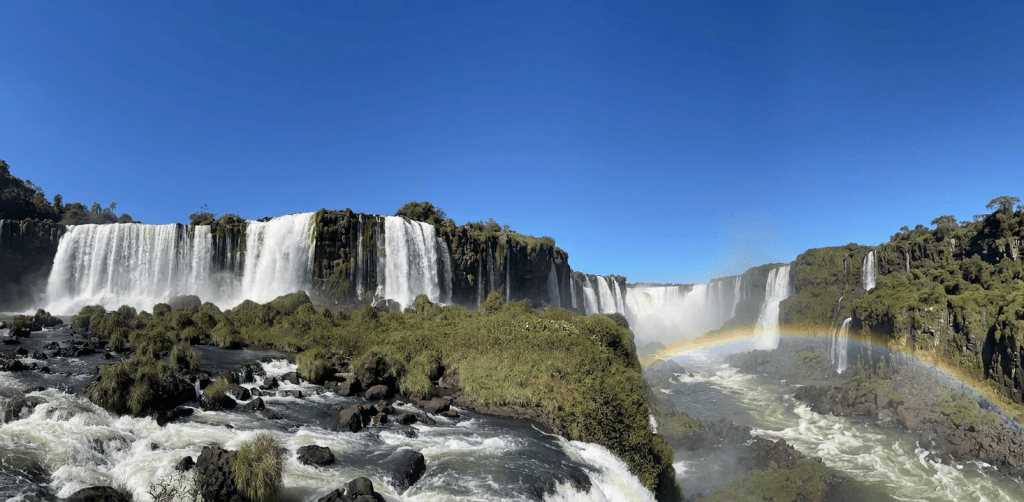
On our second day in Foz do Iguaçu, we visited the breathtaking Iguazu Falls. The falls sit along the borders of Brazil, Paraguay, and Argentina, with the majority of the waterfalls located on the Argentine side. Although we only explored the Brazilian side which contains about 20% of the falls, the scale of what we saw were unlike anything I had ever experienced before.
As we walked along the pathways and viewing platforms the sound of the rushing water really allows you to feel the power of the falls. Massive walls of water crashed down into the river below sending mist high into the air thus creating many beautiful rainbows. The force of the falls could be felt not only through the spray of the water but also through the wind it created. It was an out of this world experience in the best possible way.
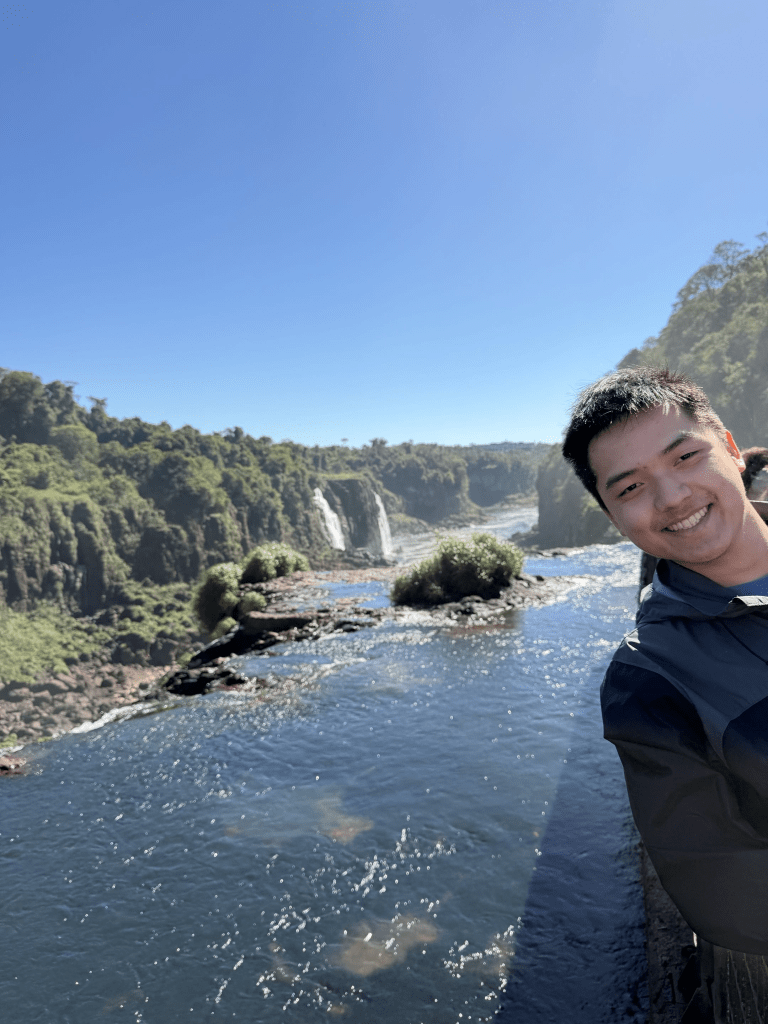
One of the highlights of the visit was walking out onto the viewing platform overlooking the famous Devil’s Throat. Standing there surrounded by roaring water on all sides felt surreal. The sheer size, power, and beauty of the falls made it one of the most unforgettable experiences of the trip.
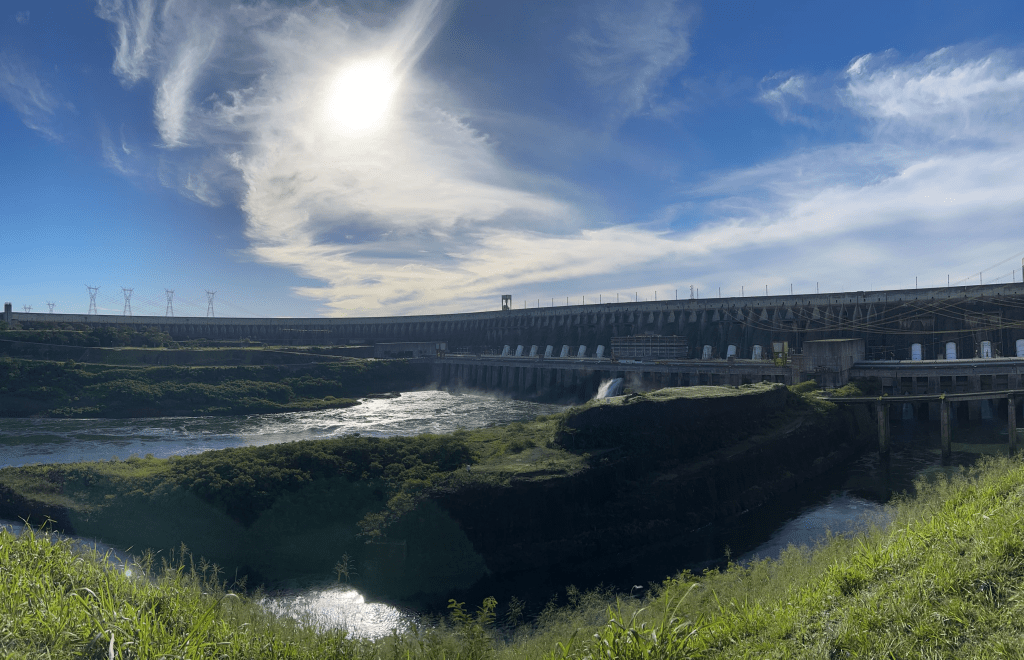
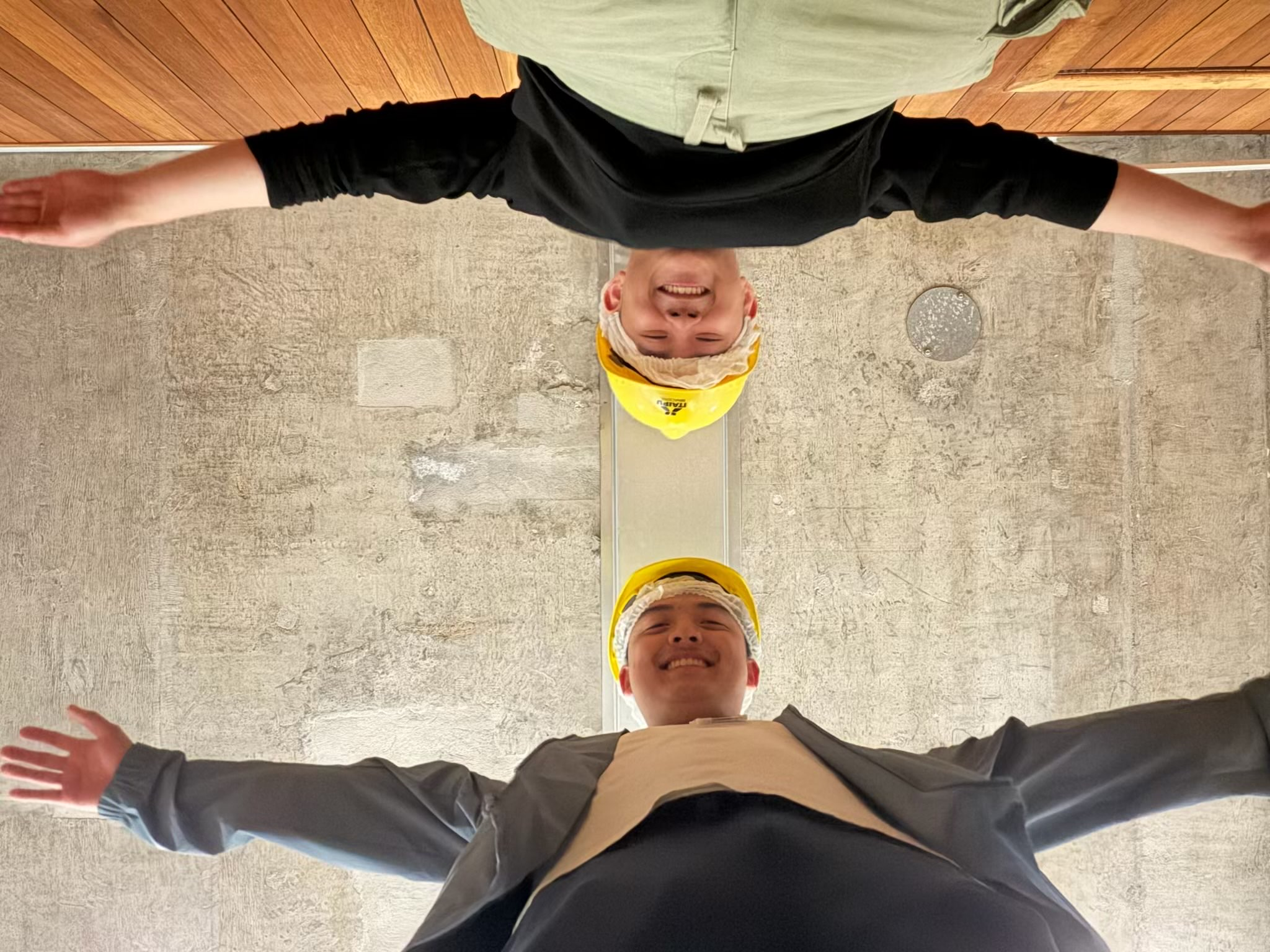
The following day we had the opportunity to visit the Itaipu Dam. This dam generates approximately 14 GW of power using 20 generator units, with 10 supplying electricity to Brazil and the other 10 supplying Paraguay. During the visit, we were able to go inside the dam and even see the dividing line between the two countries. This was an experience that I would not have been able to have outside of this trip and it demonstrated how important renewable energy infrastructure is to Brazil compared to the United States. While the United States still relies heavily on coal and natural gas for electricity generation, Brazil receives a large portion of its electricity from hydroelectric power. Seeing the scale of the facility firsthand showed me how large scale renewable energy projects can provide reliable power for millions of people while reducing dependence on fossil fuels.

