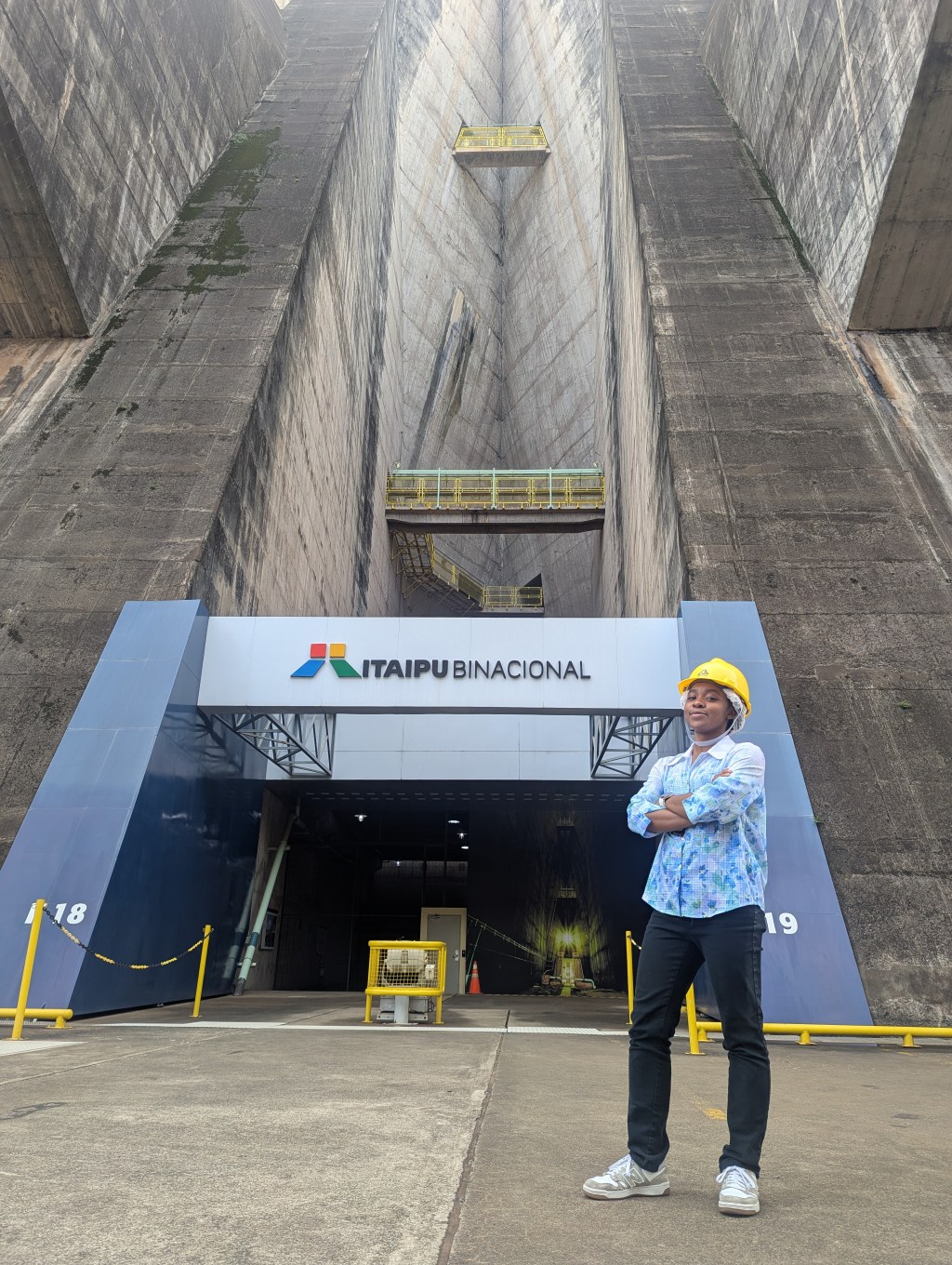
Our second touring location was Paraná, more specifically the home of Foz do Iguaçu and the Itaipu Dam. Both locations were absolutely breathtaking. It is amazing to me how these places can make you feel so small, as if reminding you of the importance of the space that nature takes up and how we are still reliant on it for our modern day lives.
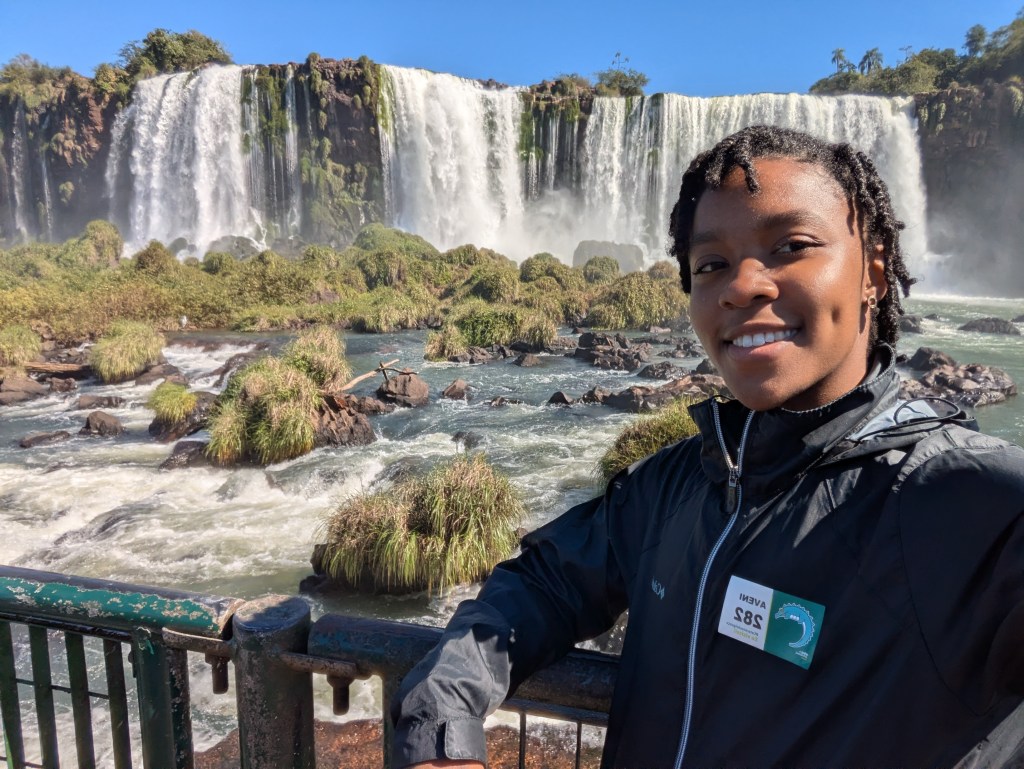
Foz do Iguaçu is a massive, beautiful collection of waterfalls littered with mini rainbows from the reflections of the water droplets. The walkways were extremely crowded with people who all wanted to get a photo of this snippet of nature that seems like it was plucked from a secret Bob Ross painting.
Additionally, while man-made, the Itaipu Dam was still a marvelous sight. Incomprehensibly large, it produces enough energy to power almost all of Paraguay alongside some of Brazil. As we toured its facilities, I felt as if I were an ant trying to make its way around a tree. Unfortunately, as we learned from the workers at Itaipu, the water of the Paraná River will dry up long before the dam will break down. Energy output actually reached its height around 2016, when rainfall kept the river sufficiently full. Since then, water levels have been on a gradual decline, meaning that over the coming centuries, both Brazil and Paraguay will need to diversify their energy sources to keep up with growing demand. After visiting these locations, I couldn’t help but think about what it means to be an engineer in a world where the resources we’ve built our infrastructure around are slowly disappearing.
 Swanson School of Engineering