Ivan Zheng
Our first stop in Brazil was the city of São Leopoldo, located near Porto Alegre in southern Brazil. São Leopoldo has a strong historical identity and is known as one of the first major centers of German immigration in Brazil during the 1800s. The influence of German culture can still be seen today through the architecture, local traditions, and food throughout the city. Compared to many cities in the United States São Leopoldo feels more community centered with many public plazas, churches, and historical monuments.
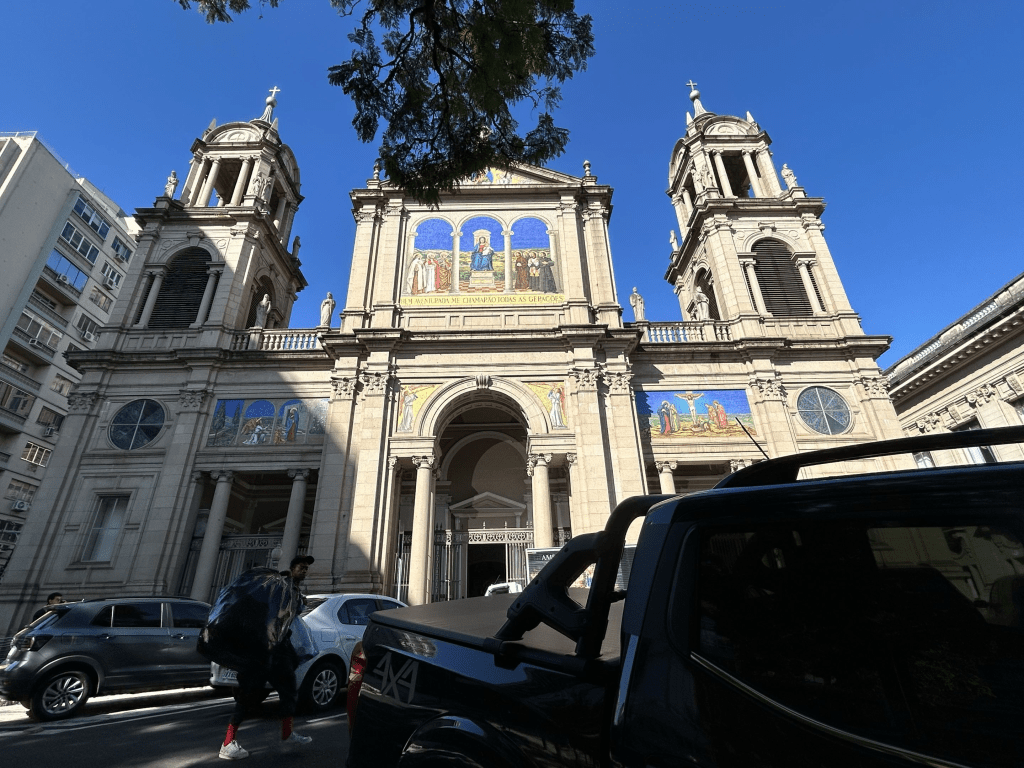
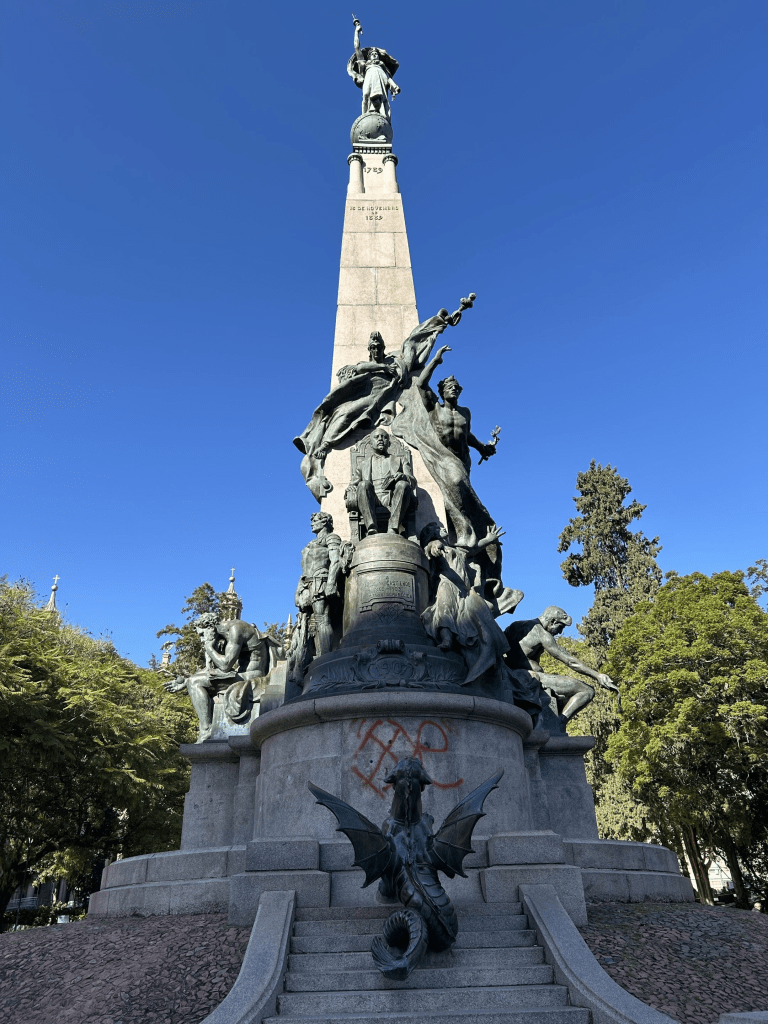
On our first day, we visited several historically significant locations near the government buildings in the city center. One of the main landmarks was a large monument in the plaza that represented important moments in Brazilian history and the country’s development as an independent republic. Brazil actually gained independence from Portugal in 1822. Nearby, we visited the historic church known as the Catedral Metropolitana Nossa Senhora Madre de Deus. The church’s exterior features statues of saints and detailed European inspired architecture that reflects the city’s strong religious and German cultural roots. In comparison to the United States, many Brazilian churches and public buildings place a larger emphasis on historical preservation and religious symbolism.
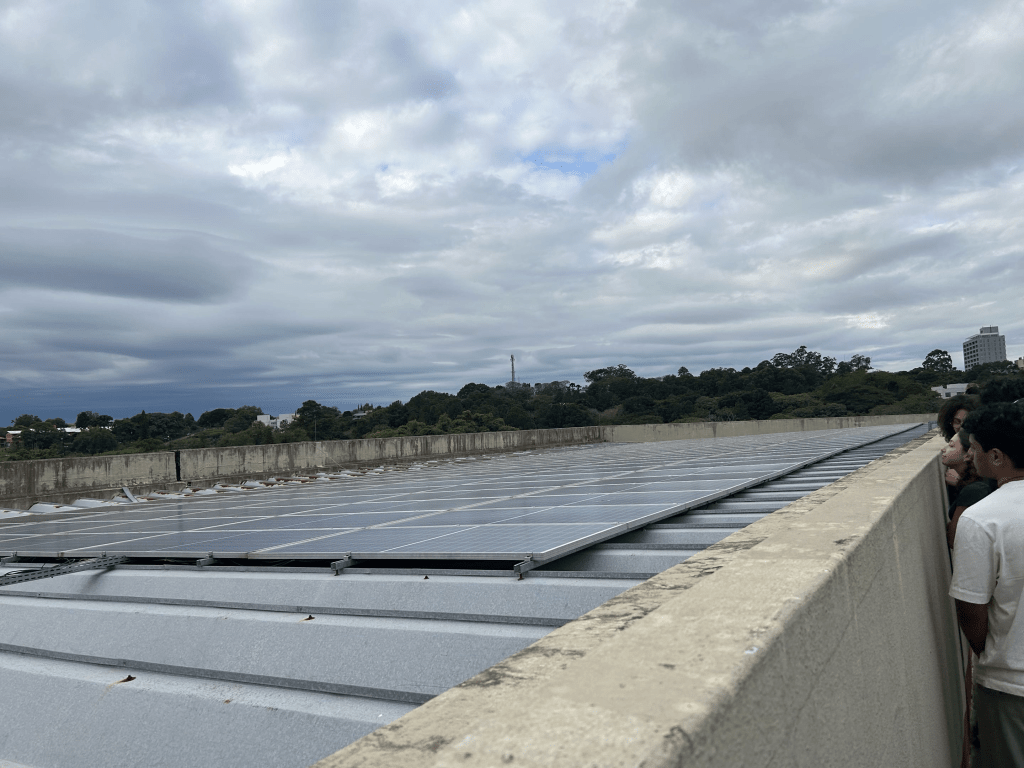
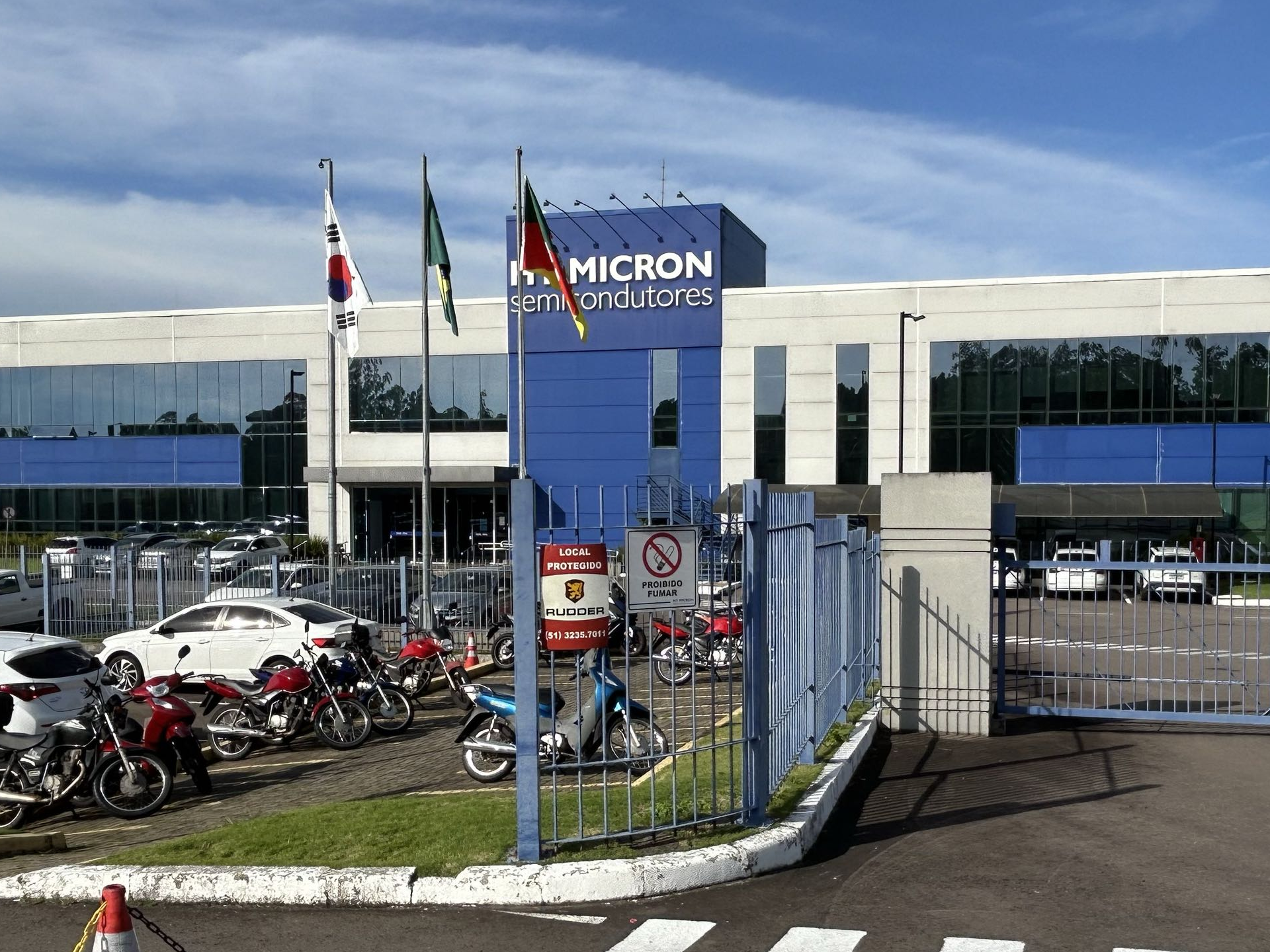
Over the next several days, we visited companies and research facilities connected to Unisinos. The university plays a major role in technology and innovation within the region. One of the most interesting visits was to HT Micron, a semiconductor company located on the Unisinos campus. HT Micron became one of the largest semiconductor manufacturing facilities in Latin America and highlights Brazil’s efforts to strengthen its domestic technology industry. As an engineering student from the US, it was interesting to compare Brazil’s growing technology sector with the much larger semiconductor industry in the U.S. While the United States has companies like Intel, NVIDIA, and AMD they all source their semiconductors from out of country. While Brazil is trying develop infrastructure and manufacturing capacity to do some of the process in country.
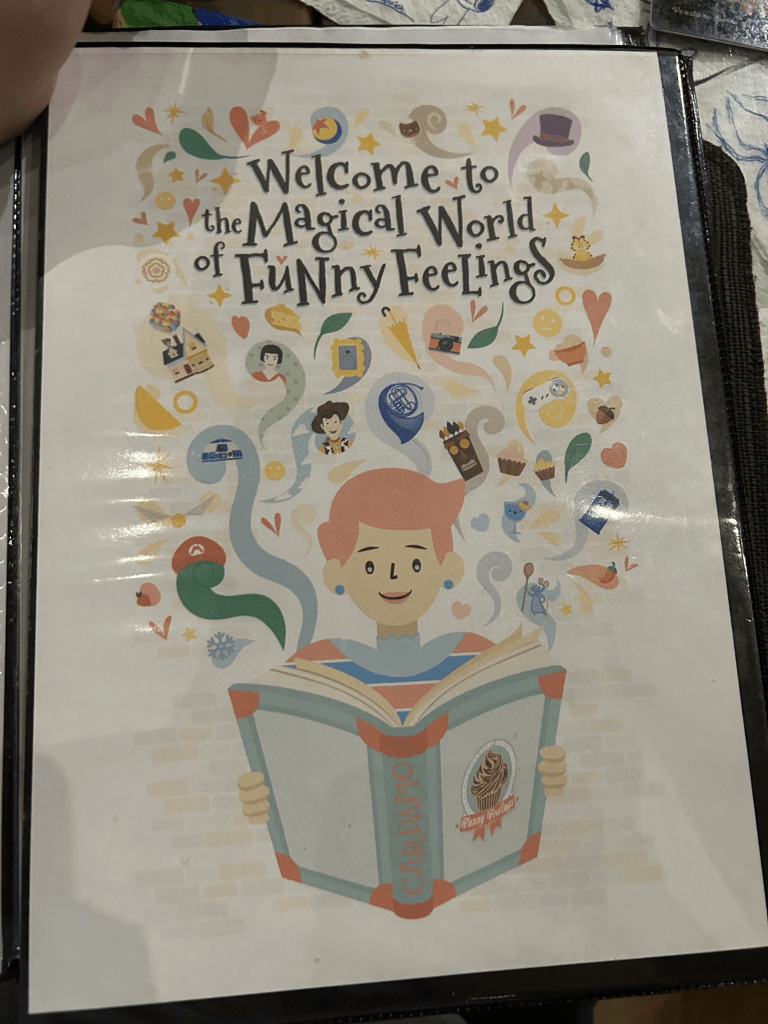
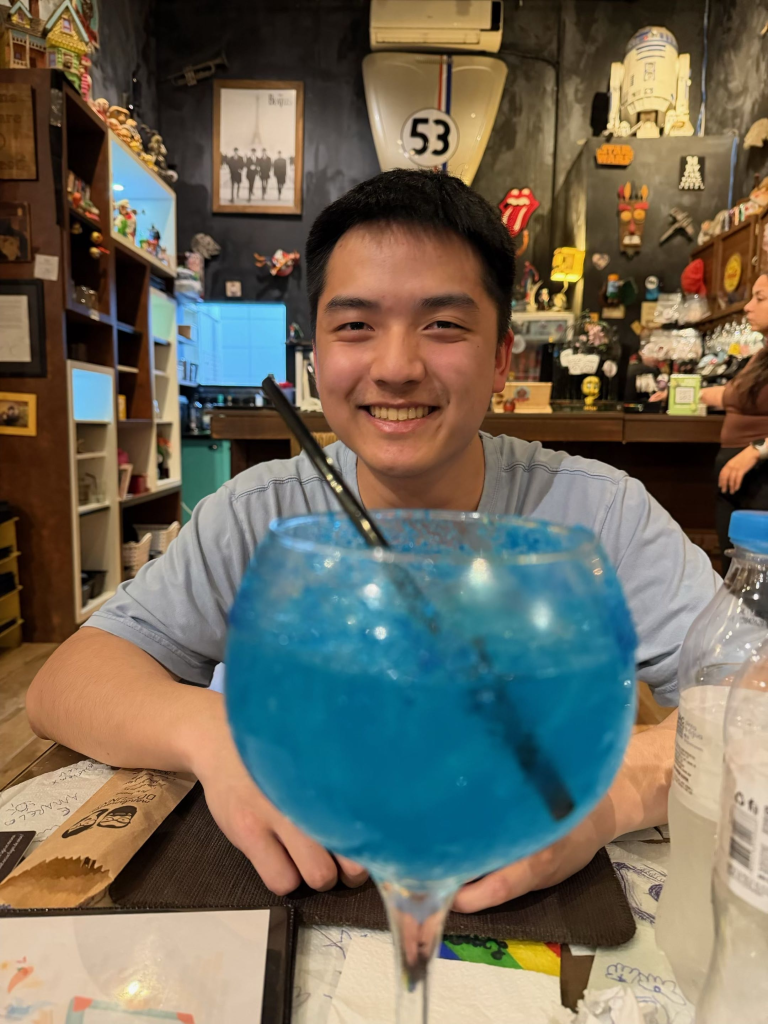
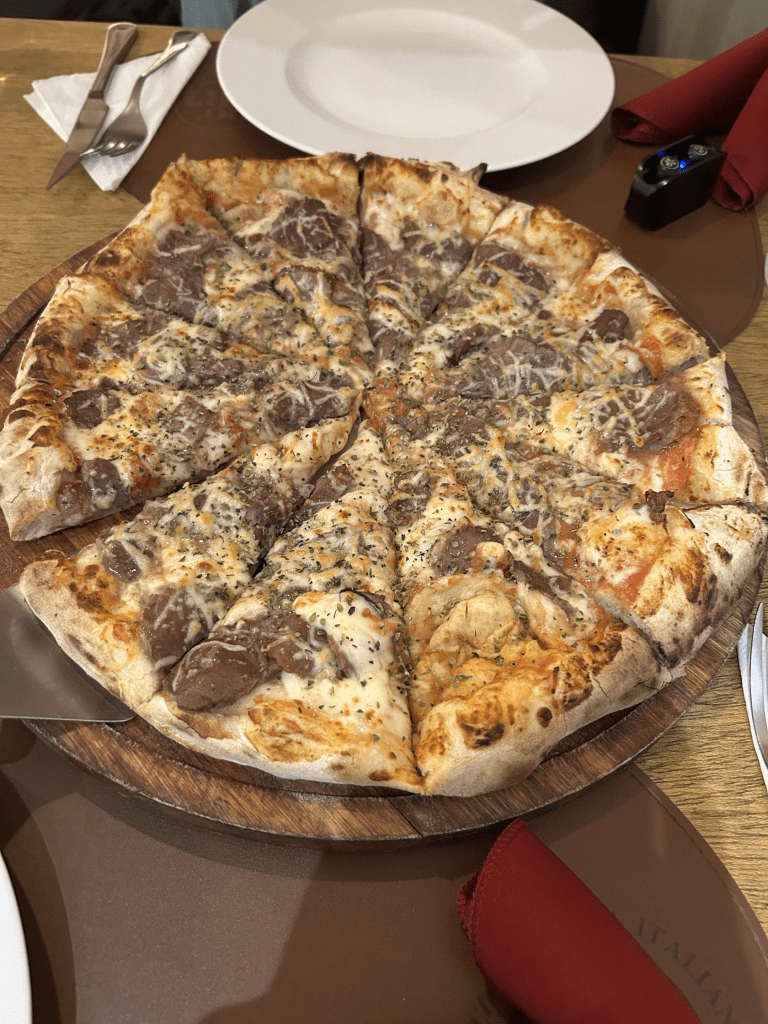
One of the highlights of staying in São Leopoldo was experiencing the local food culture. One restaurant I enjoyed was Funny Feelings, which had a fun atmosphere inspired by cartoons, movies, and pop culture. The restaurant combined creative food presentations with themed drinks and decorations, creating a very different experience from most restaurants back home. Throughout the city, I also noticed how Brazilian culture places a stronger emphasis on spending time together during meals while American culture is often more focused on convenience and speed. This difference made the experience in São Leopoldo feel more personal and welcoming.
 Swanson School of Engineering