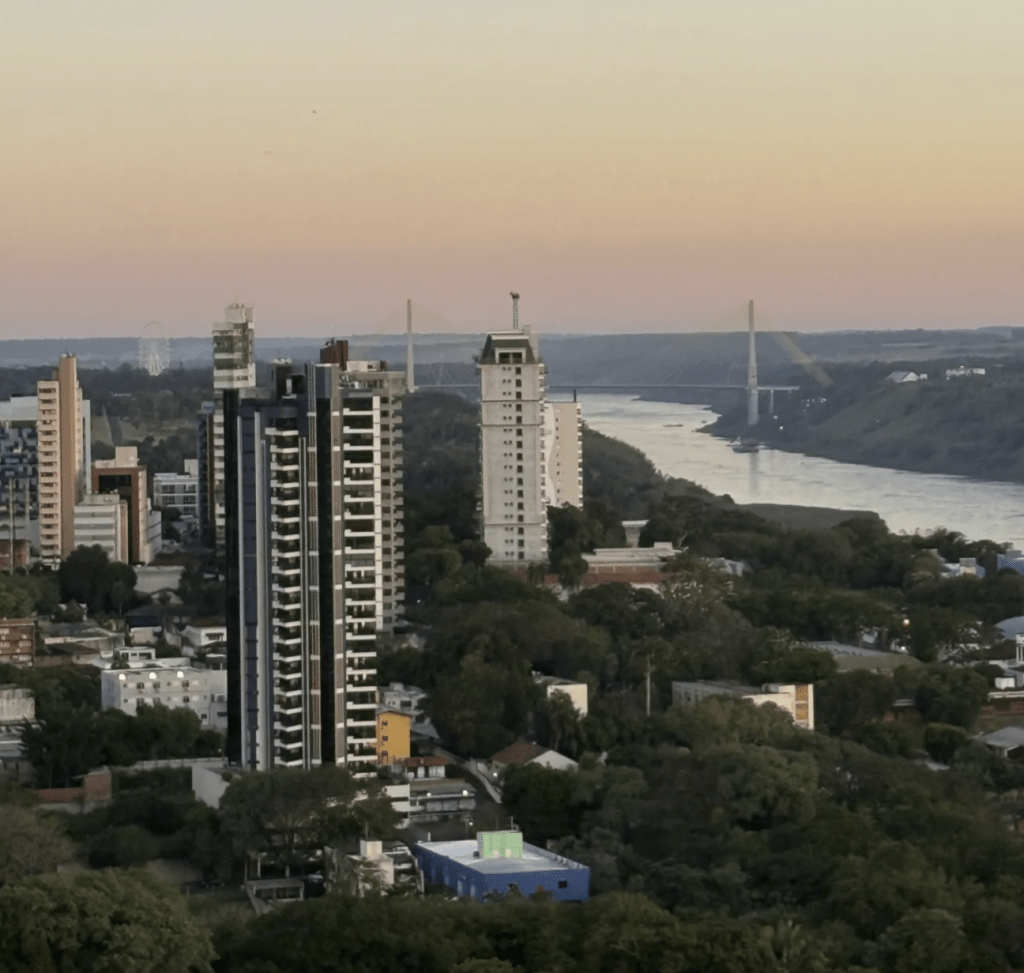
For the second half of our two weeks abroad, our group flew westward across the entirety of Brazil to the state of Paraná, to the city of Foz do Iguaçu. Apart from Foz do Iguaçu being a gorgeous and bustling city, what really stood out was its cosmopolitan nature. Sitting at the border of Brazil, Argentina, and Paraguay, Foz is truly an international city, with people, dialects, and foods from all across the globe. Thousands of people cross those borders every day, not only to visit, but to work, study, and collaborate. The Integration Bridge, stretching over the Paraná River at a point known as Three Borders (for being at the corner of all three nations), connects Foz do Iguaçu in Brazil to Presidente Franco in Paraguay, carrying nearly 100,000 people daily who travel from nation to nation.
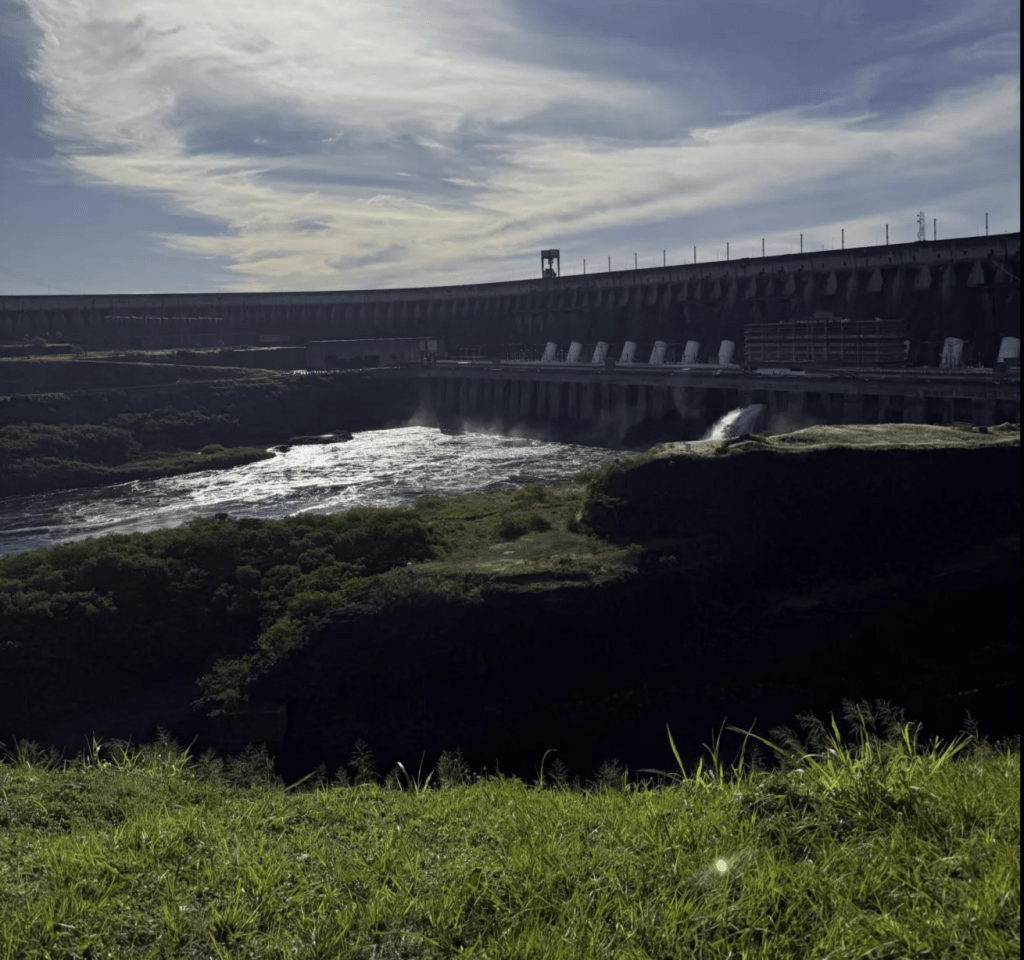
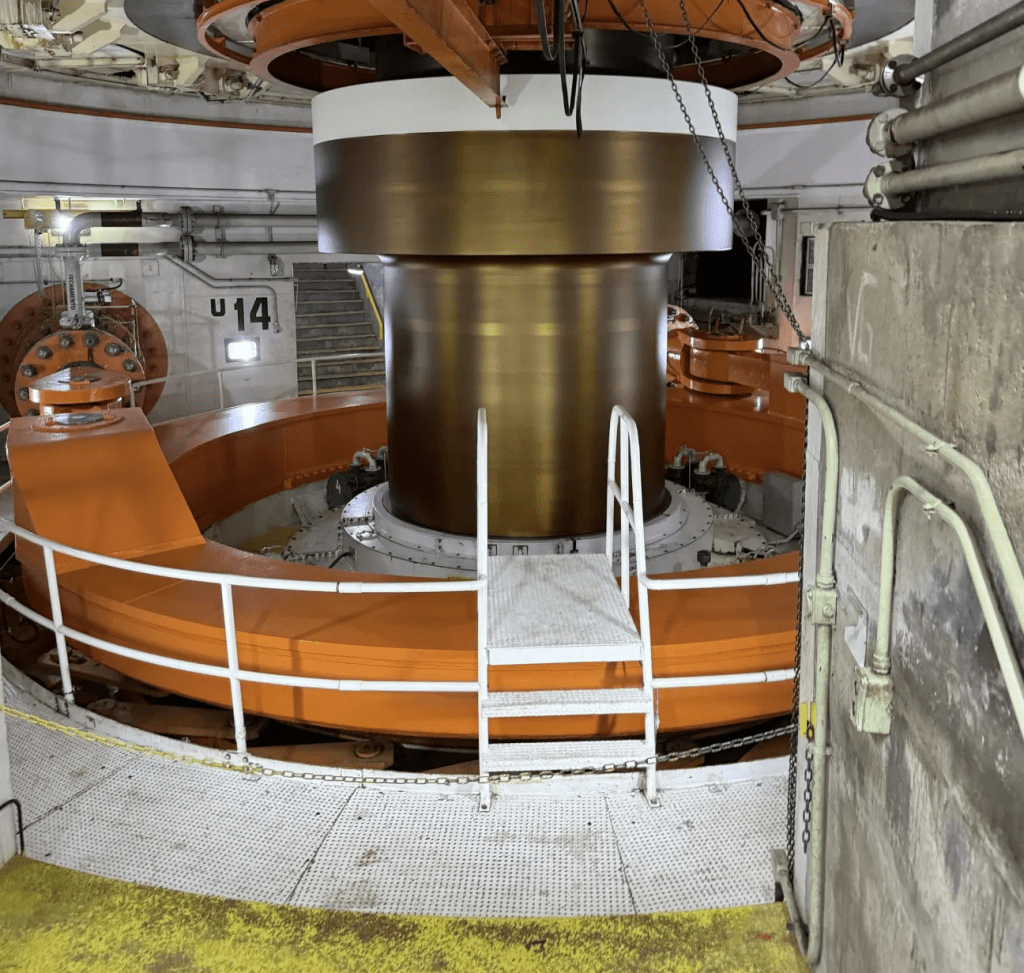
The international spirit of cooperation in the region has improved the lives of everyone involved, and nothing captures this idea better than the Itaipu Dam. Nearly 200 meters tall and stretching over seven kilometers, the dam feeds 20 massive turbines. Generating power begins when operators raise the gates, channeling water down into the penstocks. That rushing water drives each turbine, and a massive shaft carries the resulting mechanical energy up to the rotor. As the rotor spins, its electromagnets induce a current in the stator’s copper coils, turning the rotor’s motion into electricity on a scale vast enough to light up entire nations. Due to the scale of the dam as well as the flow of the Paraná River, the Itaipu Dam produces close to 14,000 MW at peak output, supplying the overwhelming majority of Paraguay’s power and a significant share of Brazil’s.
The Itaipu Dam is not just impressive due to its scale, but more so the collaboration that has gone into such a revolutionary effort. Itaipu is jointly operated by Brazil and Paraguay, with each generating unit staffed by engineers from both nations, with a lead operator who rotates every six hours between Brazil’s and Paraguay’s engineers. Engineers from across Latin America come to study and work there, many of them lecturing at night after a full day on the job. It was an extraordinary example of two countries deciding that a shared problem deserved a shared solution.
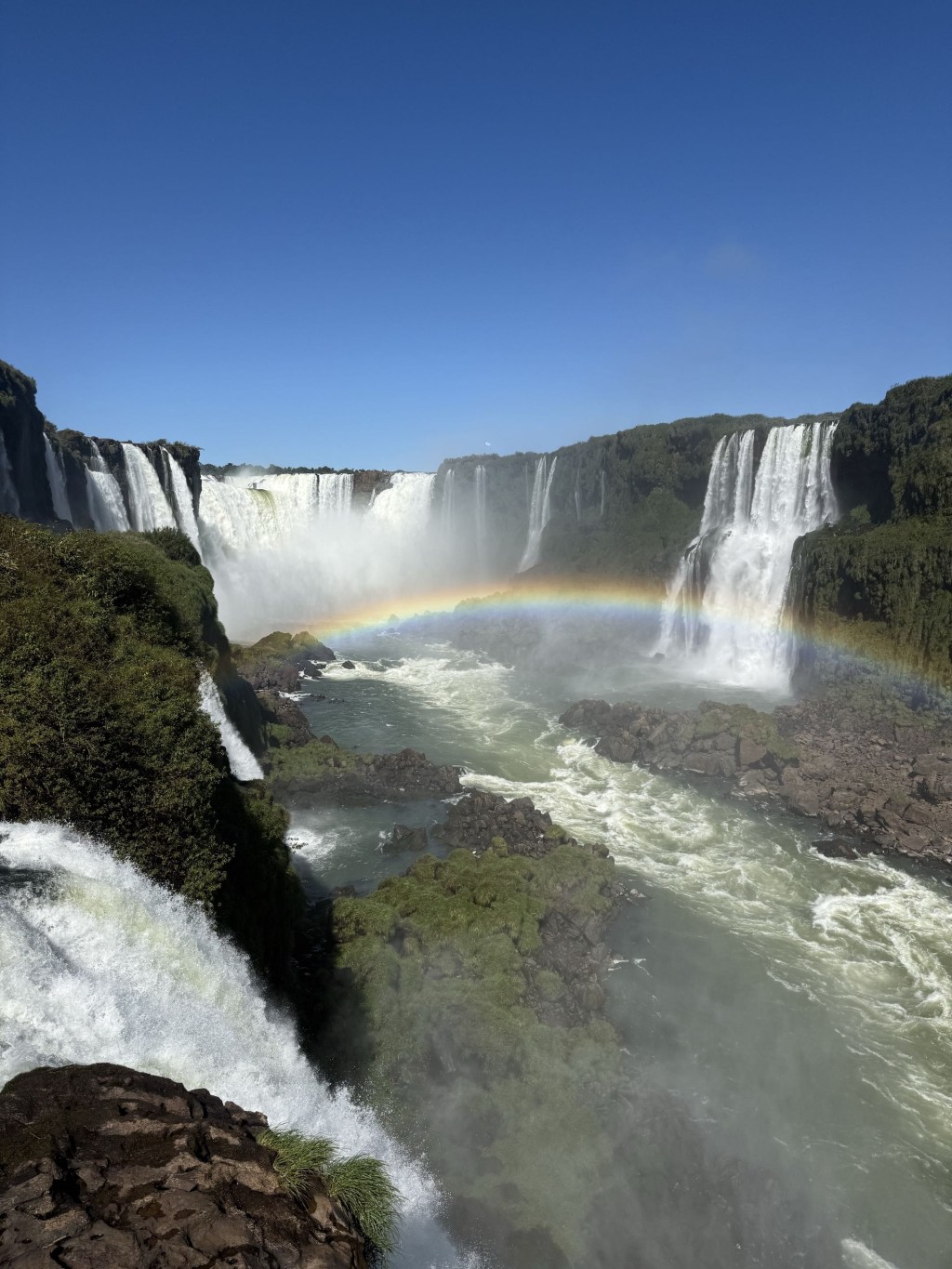
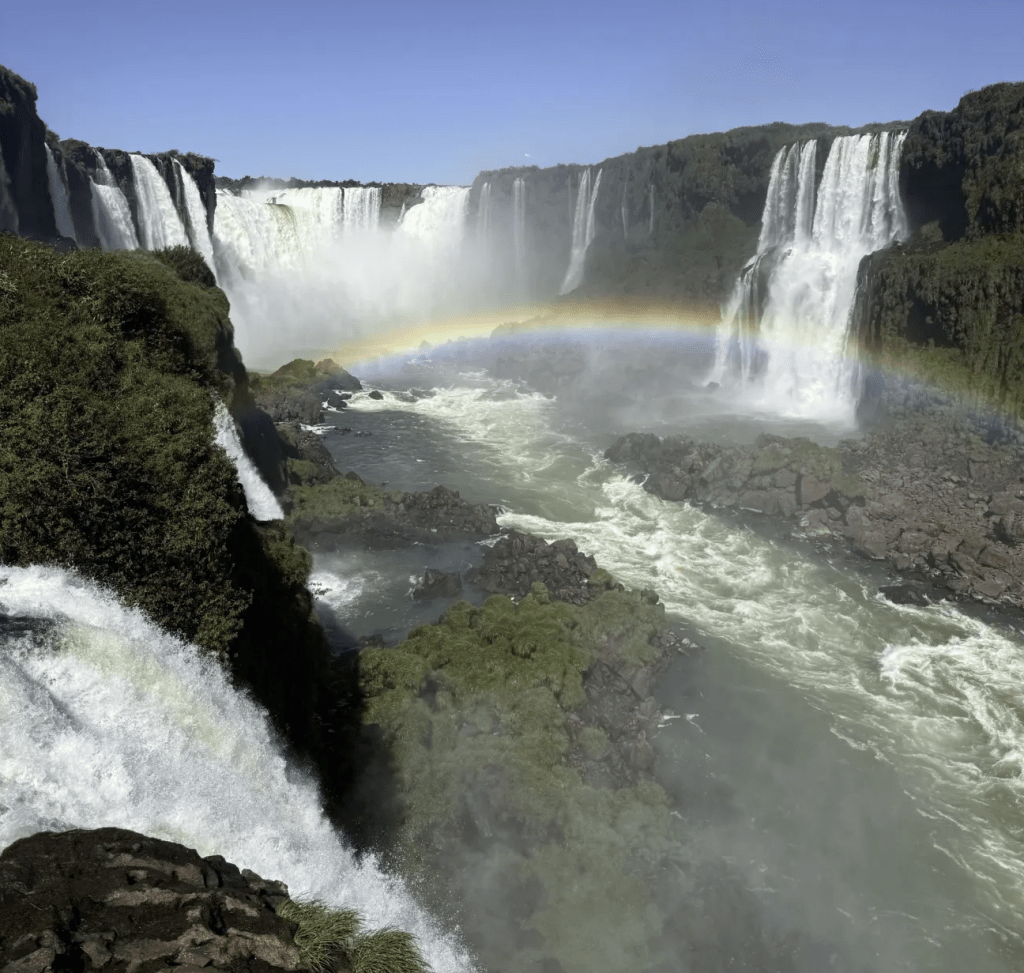
Another highlight of our time in Foz do Iguaçu was the Iguaçu Falls. As the largest waterfall system on Earth, it stretches roughly 1.7 miles along the border of Argentina and Brazil, feeding the Iguazu River with a seemingly endless flow of water. One of the Seven Natural Wonders of the World, the Falls had a long hike near the top, where you pass by countless cascades pouring over the cliffs toward the Devil’s Throat, a nearly 270-foot plunge that swallows the river whole.
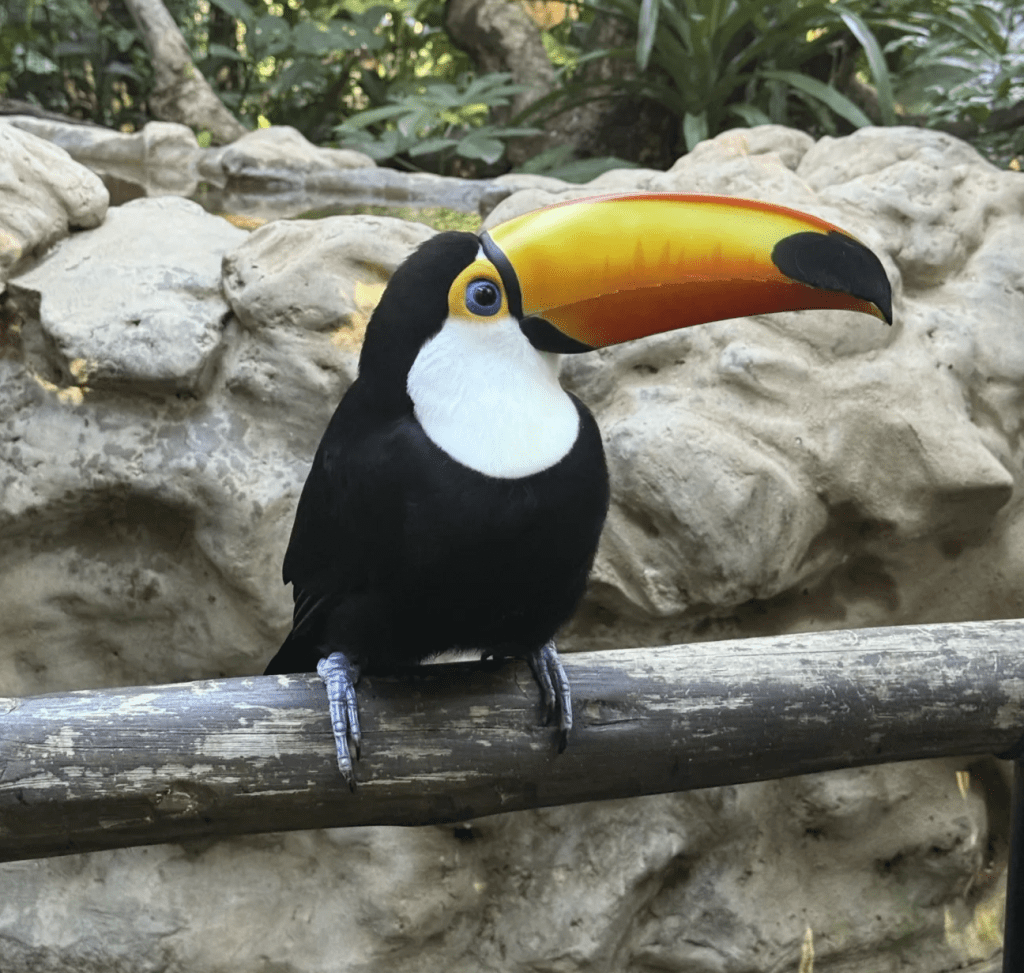
After the Falls came a bird park tucked alongside the national park. Walking through its aviaries, we came face to face with the wildlife of the surrounding Atlantic Forest, seeing toucans and parrots with brightly colored beaks. Seeing the region’s biodiversity up close emphasized the natural richness Brazil protects, and why the country guards these resources so fiercely.
Above all, these two weeks in Brazil taught me that engineering, with its cycle of brainstorming, problem solving, and seemingly endless setbacks, is a universal experience rather than something unique to the United States. Around the world, engineers tackle the challenges specific to their own countries, designing solutions that fit their particular needs and constraints. Yet projects like the Itaipu Dam prove that working together can benefit several nations and millions of people at once. An issue as critical as climate change will require that same kind of international effort.
To any future engineering student considering this program, I highly recommend going with an open mindset. Brazil is a gorgeous country, and both the cities, the engineering tours, and the people alike make the trip all the more worth it. In a divisive world, engineering can be a common ground for global cooperation, addressing some of the largest issues that we are facing.